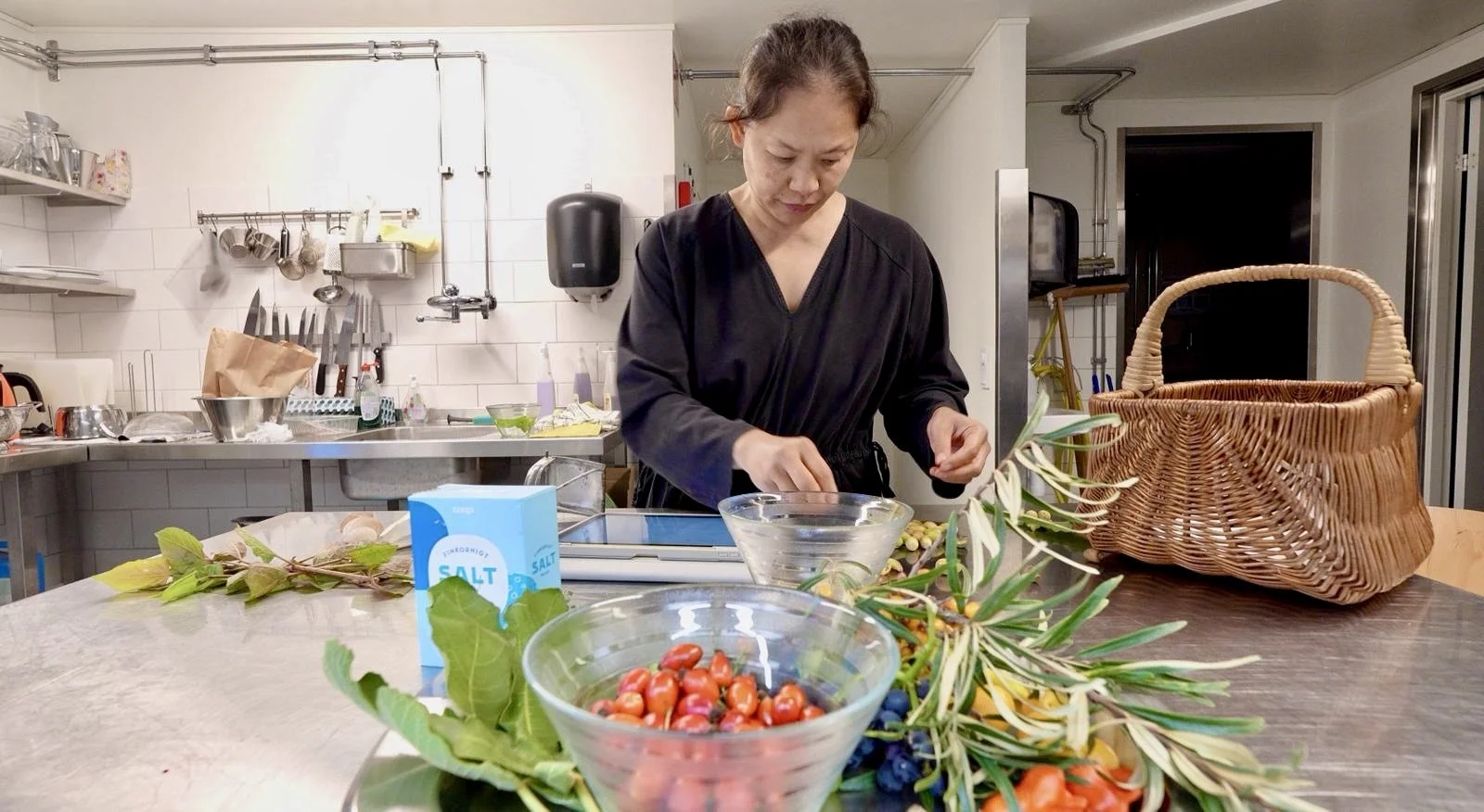
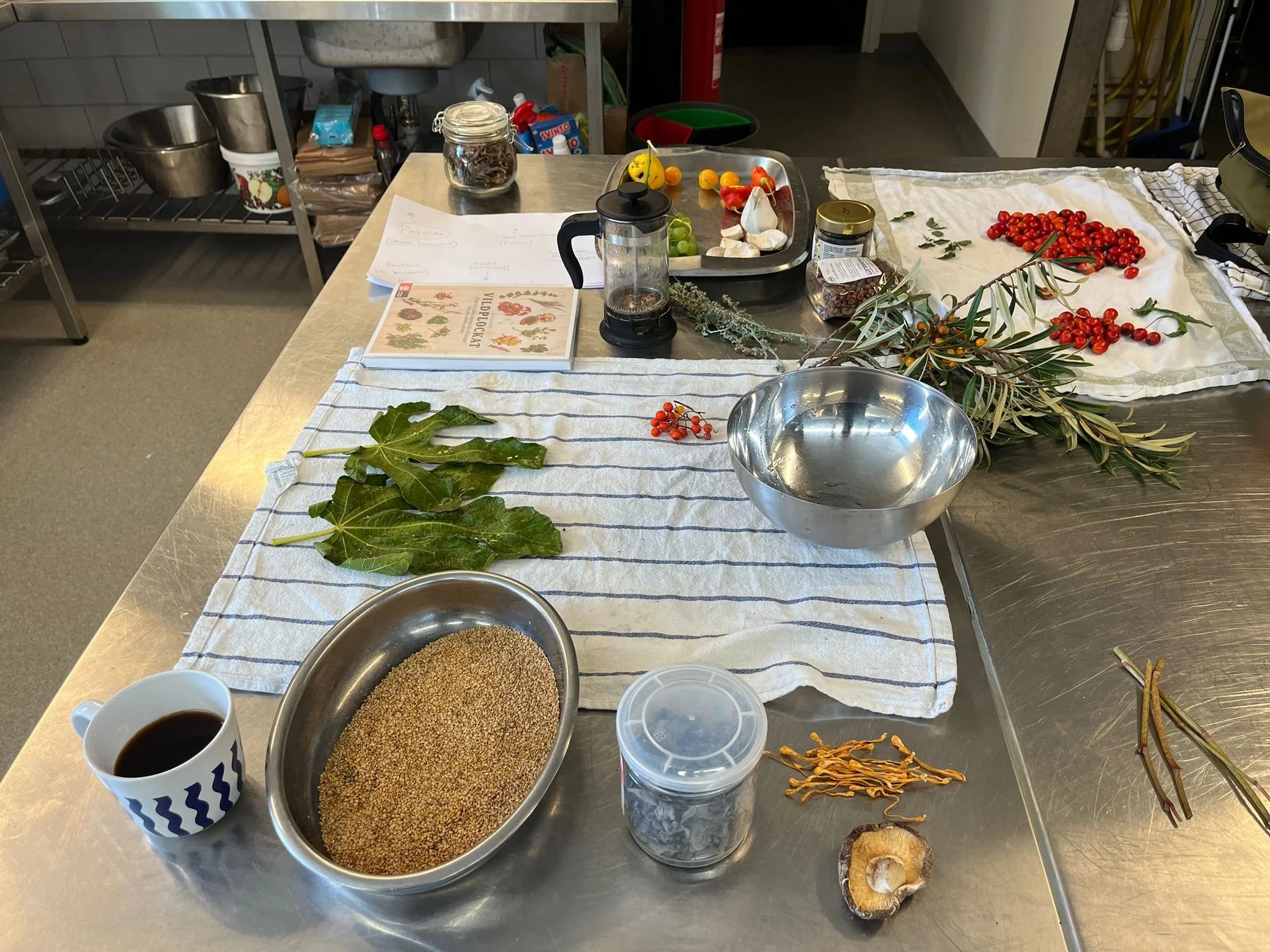
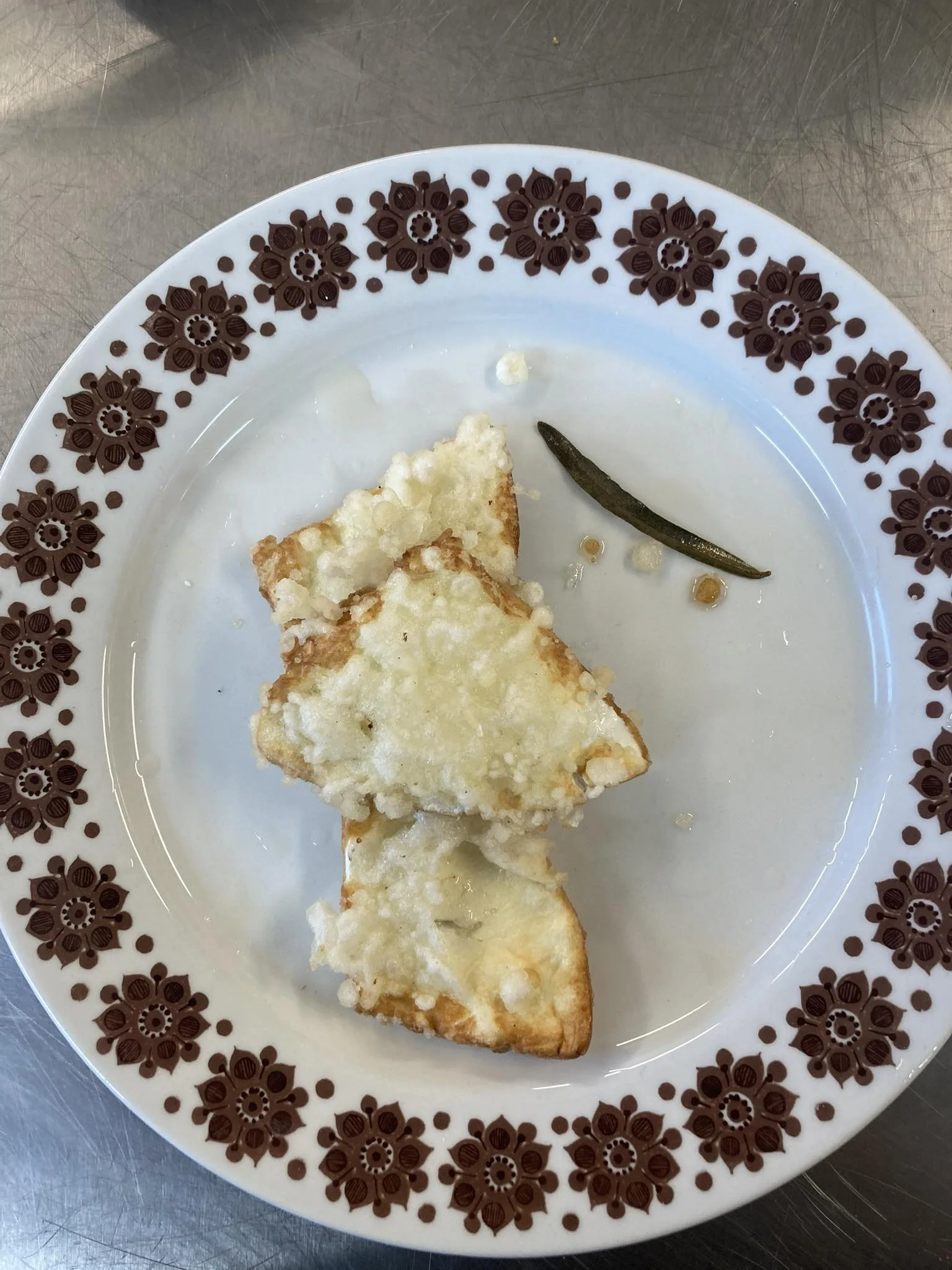
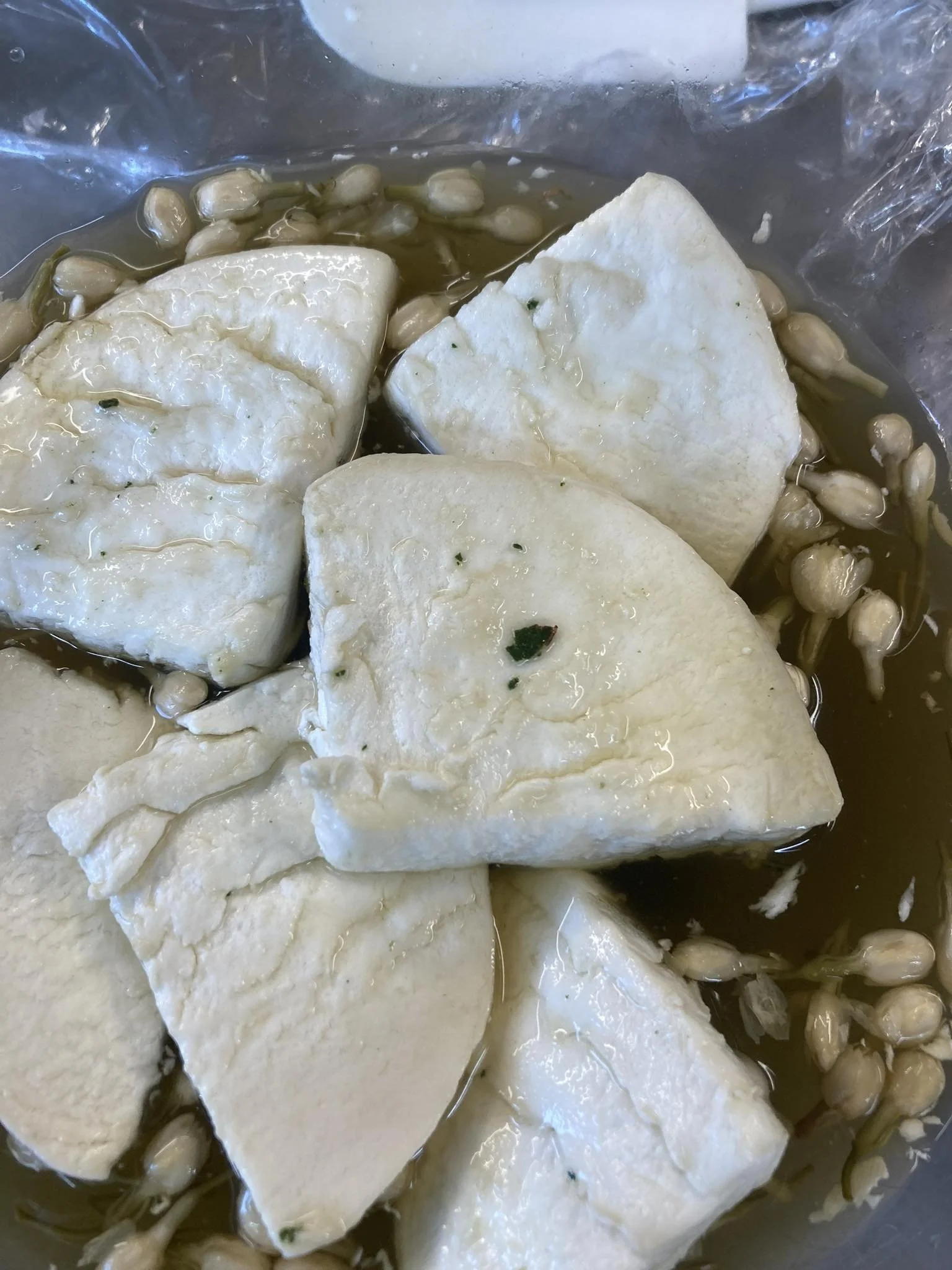
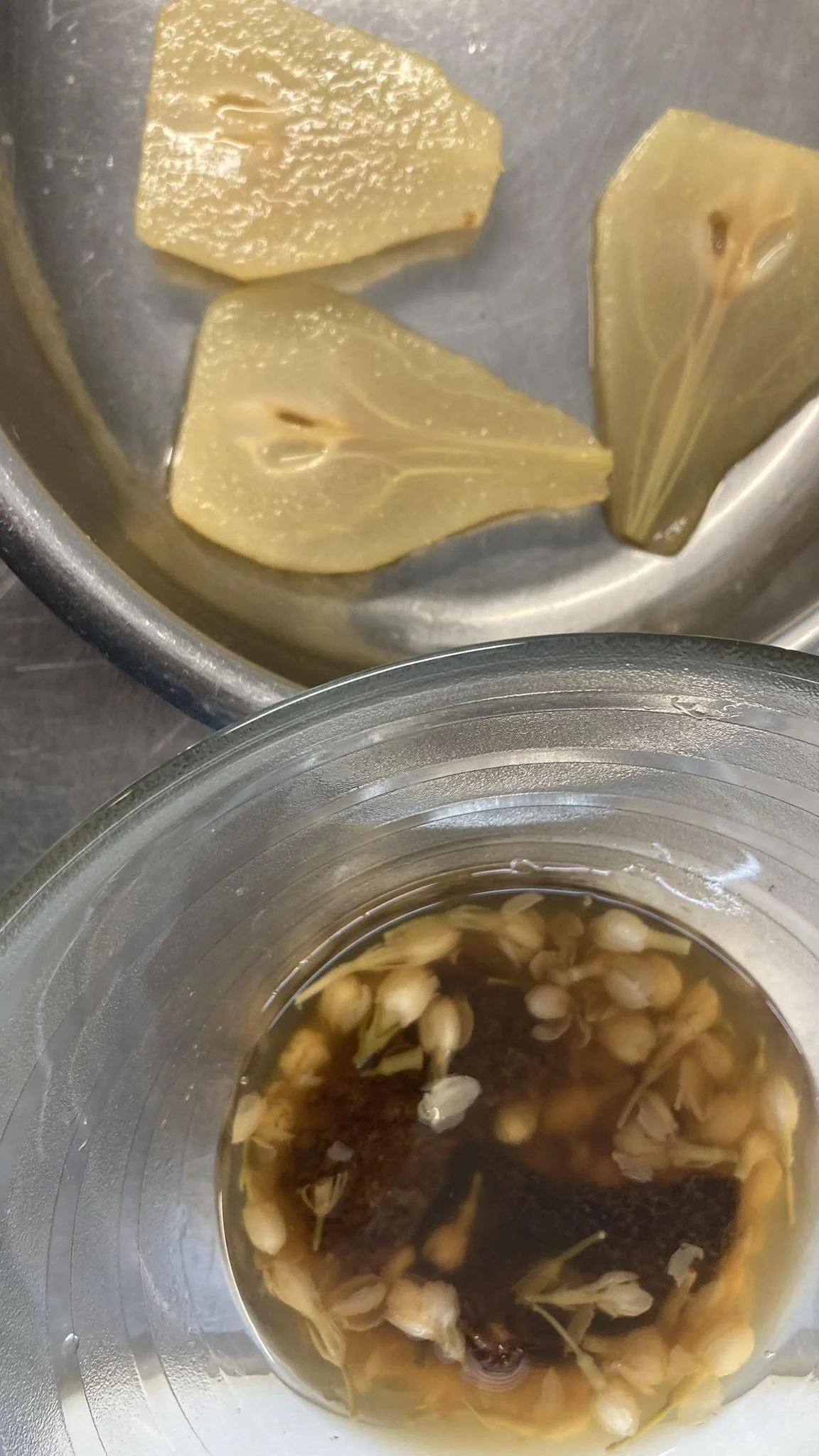
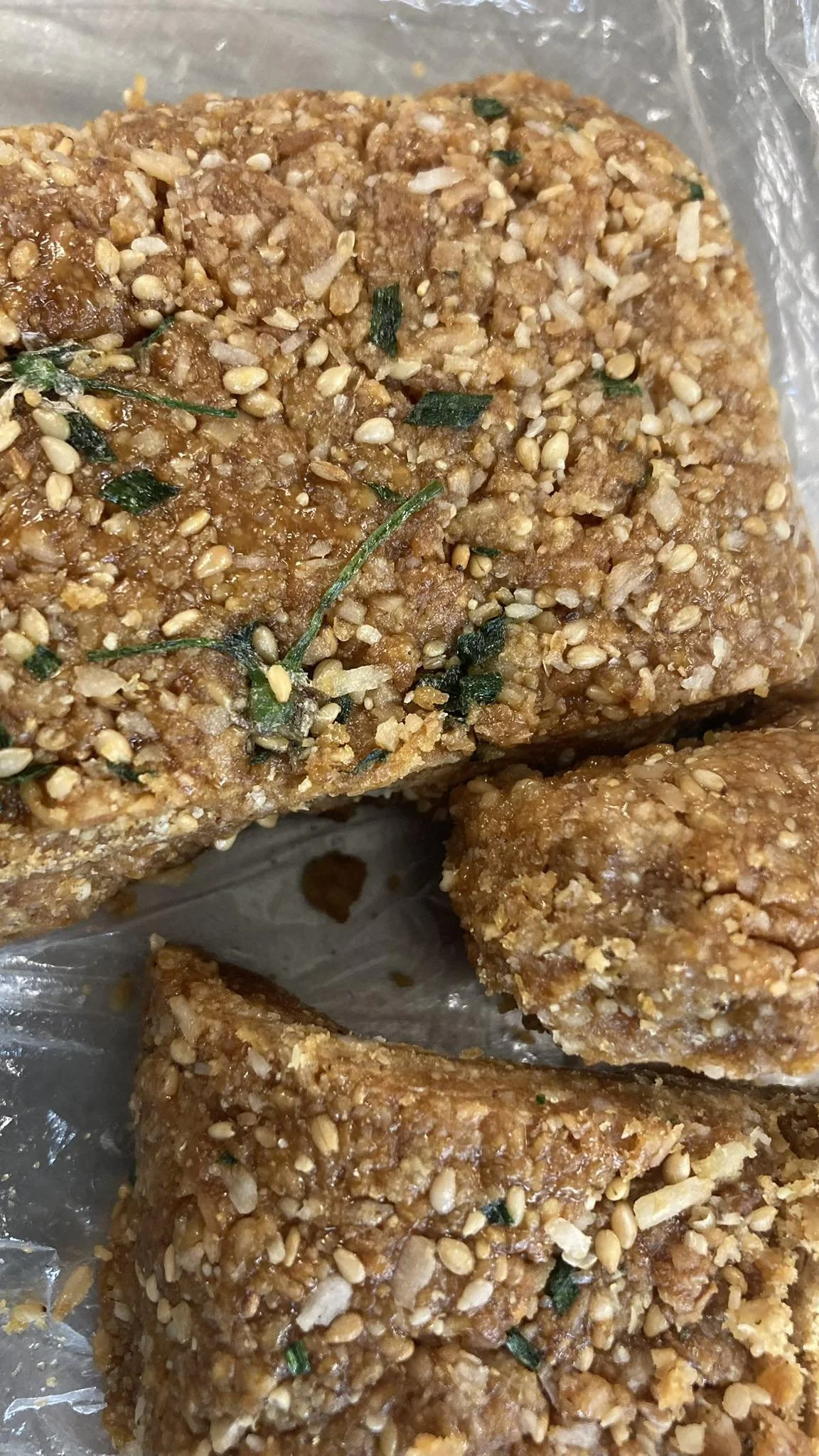
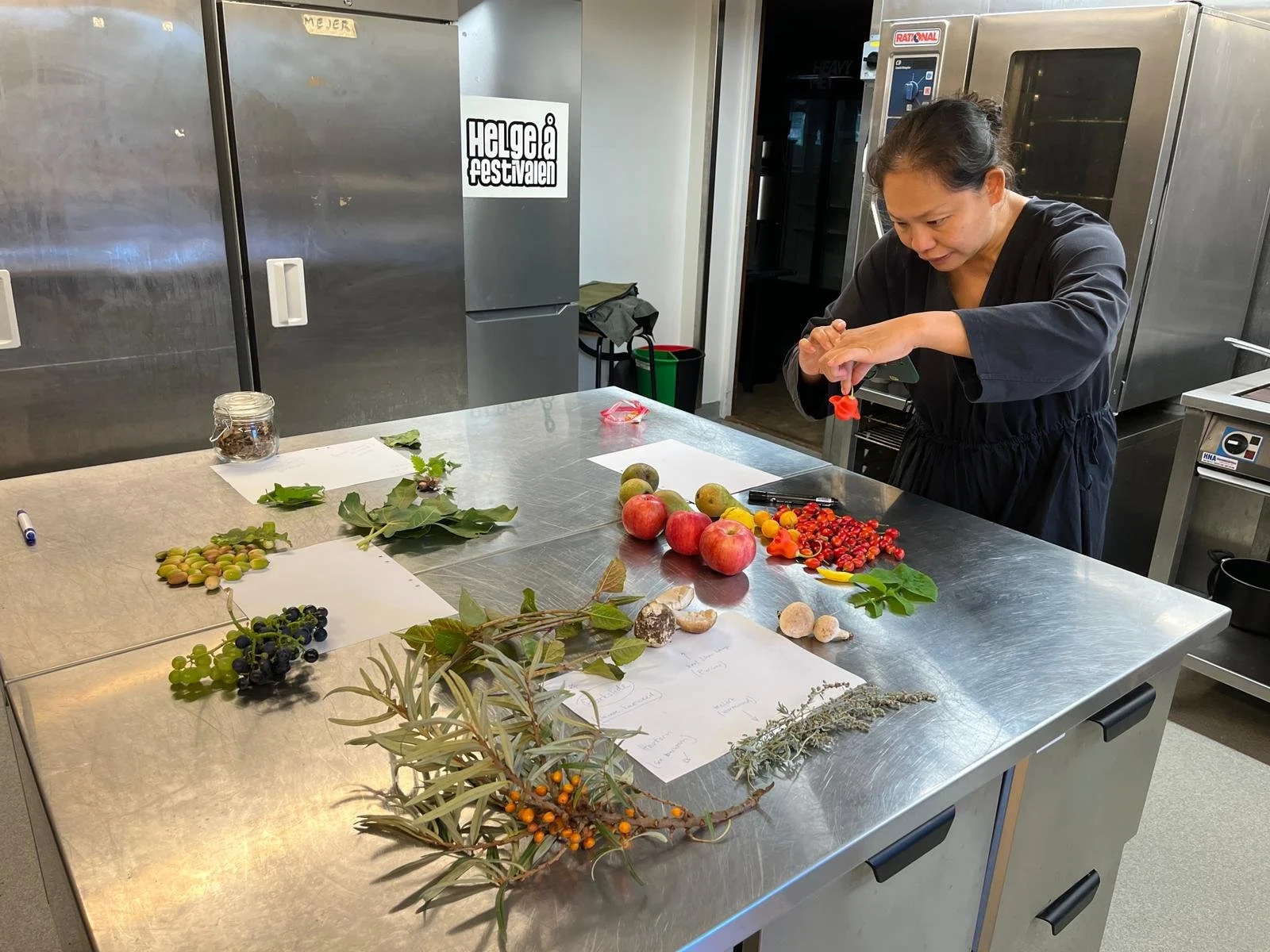
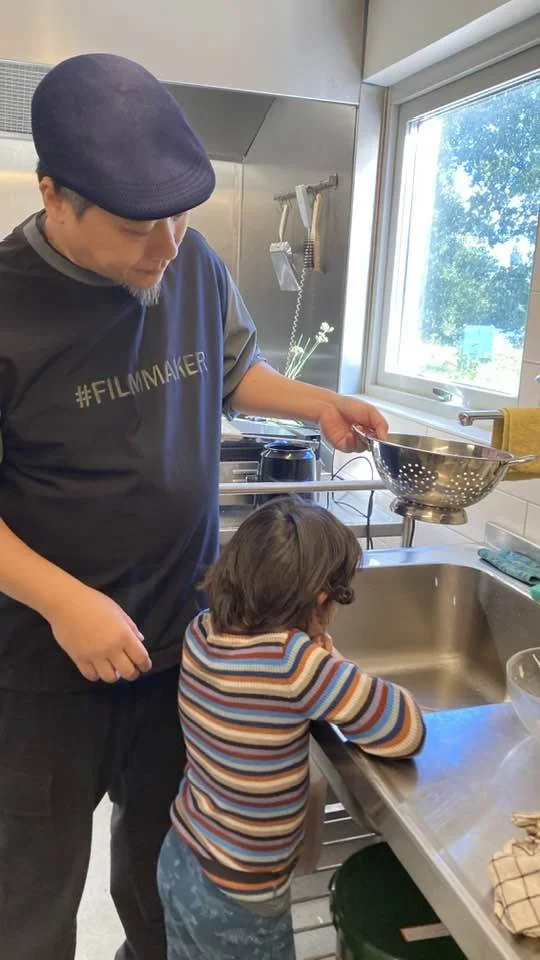
During our residency at MARC, we have been gathering “found” ingredients, not bought, but foraged, offered, and the leftovers. From the forest to a stranger’s garden, the roadside of a housing block, the backyard of an office, or simply left behind in the kitchen fridge, each ingredient arrived through encounter and conversation. These are often unnoticed or out of place in dominant food systems. We experiment with these ingredients through cooking, tasting, and conversation, tracing how they open into wider relations of place, memory, and movement. These plants and animals, and substances form an unofficial inheritance, carrying relations, memories, disappearances, and the cultural logics that decide what is edible, valuable, or ignored. Each travels from soil to body, from one place to another, from life to death and back again.
Alongside these, we also carried migratory ingredients across borders. With Maurice, I cooked and experimented, tracing how they connect to our own Tastescape — a landscape shaped not by recipes. “Instead of fusion food, I think about friction food — dishes that don’t aim to harmonize but to expose the tensions between what is inherited, what is found, and what is carried across borders.”
At the public sharing dinner, one of the audience members said, “It is such an experience of an anarchic structure of taste.” I tasted her words afterwards and realized that, perhaps, a memory had been planted through tasting.
Thank you to Rachel Tee for the invitation to the MARC residency, to Kajsa for driving us, guiding us through the forest, and connecting us so generously with people, and to Maurice for accompanying me in this simple and almost dangerous experiment.
Artistic Collaborator: Maurice Lai
Supported by MARC residency / Le Kwatt production
-
We enter
We follow the rule to gather our "Found" ingredients
Enter with care, ask permission before taking.
Do not take the first one you see.
Always leave some behind.
Return with your offering.
-
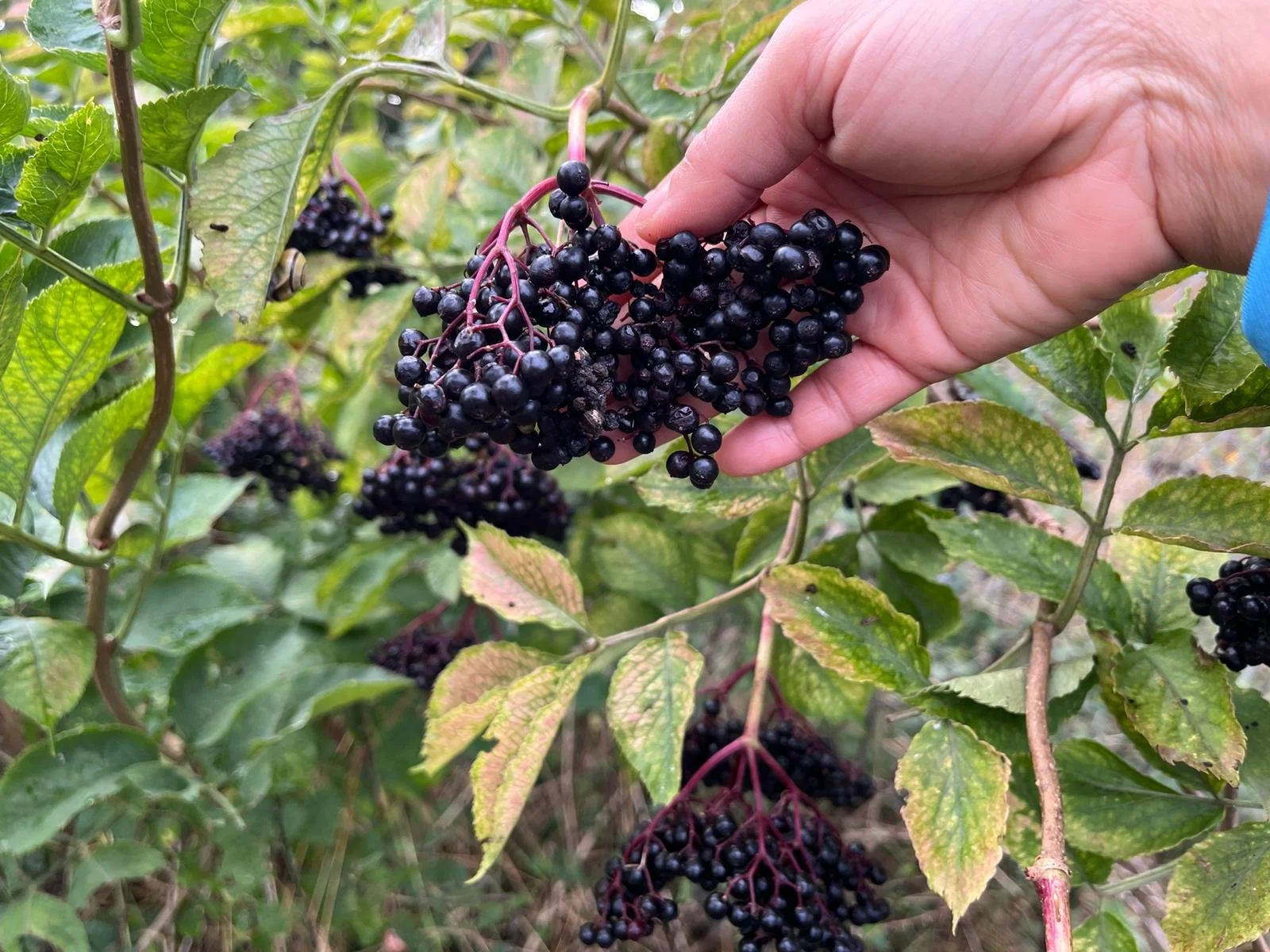
Found it
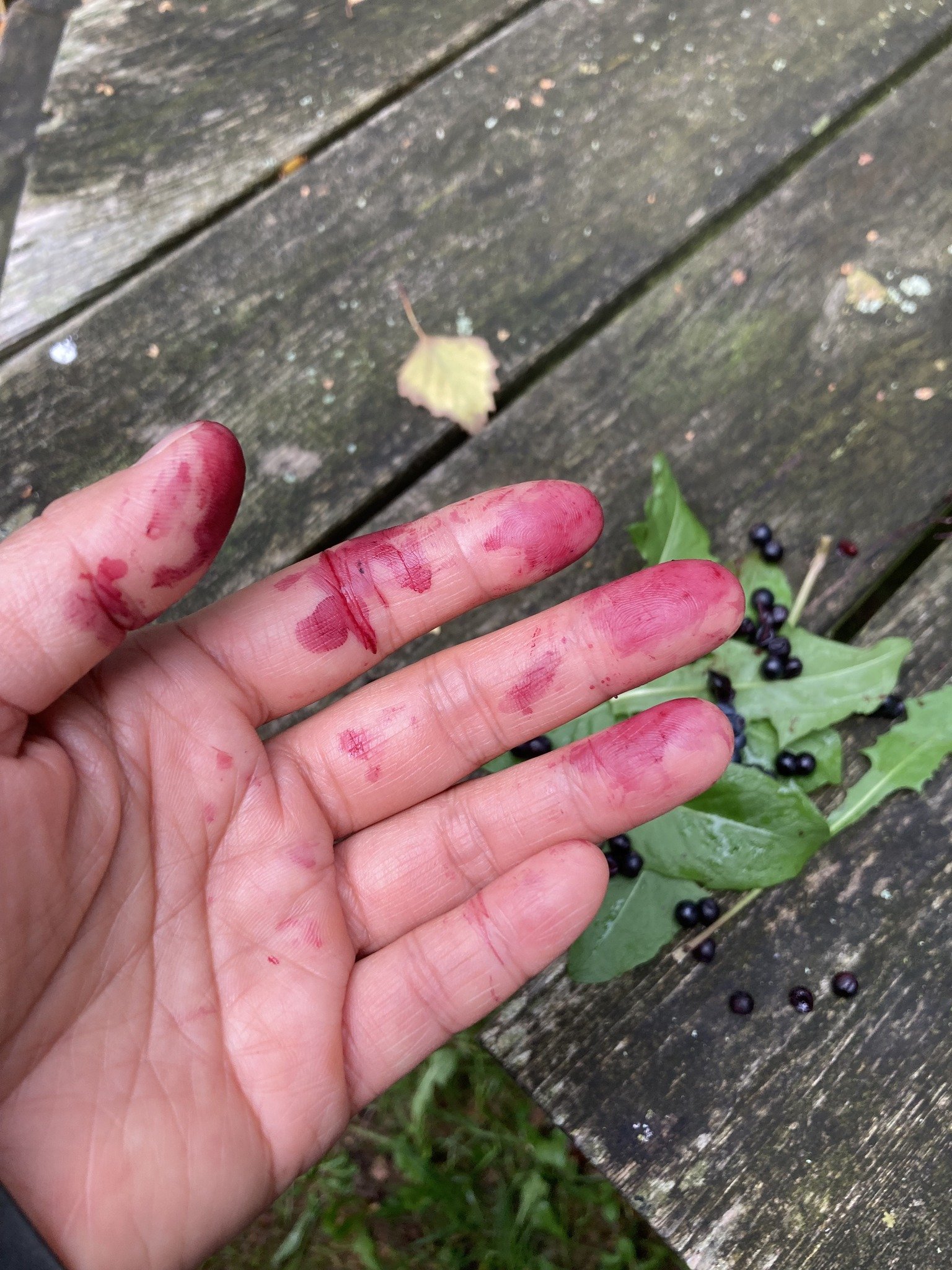
Found it @ Outside Factory, close to the lower point of Sweden, along the bus line 545.
Name: Aronia/ 野櫻莓/ chokeberries
Pick under the premise of the law of “Allemansrätten” translates into Everyman's right to access
-
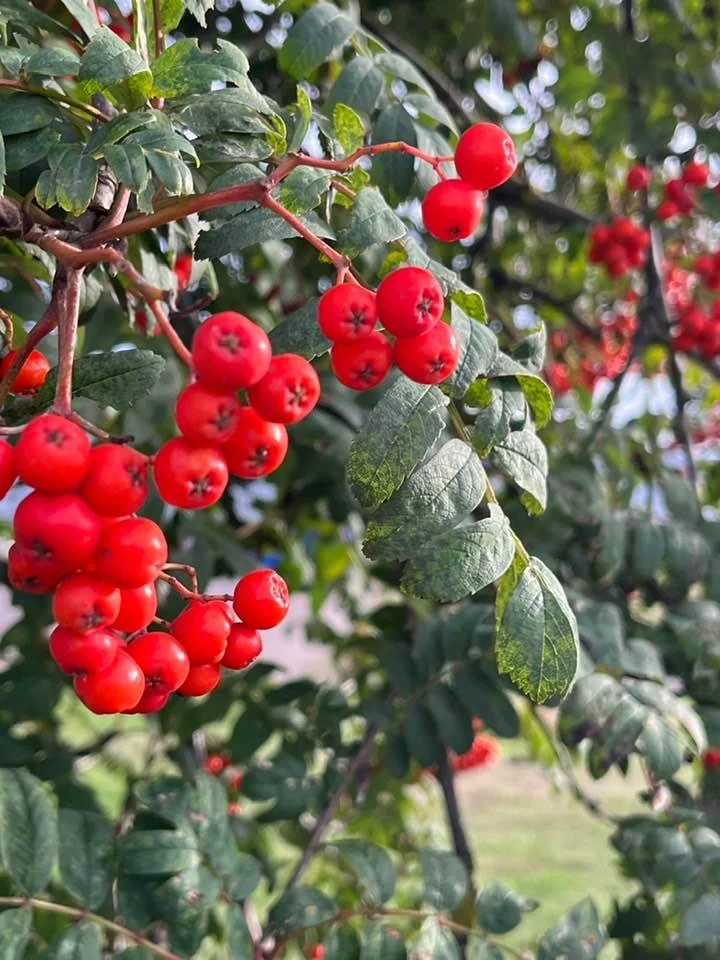
Found it
Found it @ outside the factory, close to the lower point of Sweden, along the bus line 545.
Name: Rönn/ Sorbus aucuparia / 花楸樹/ Mountain Ash
“Sour” said the Fox an old saying here.
-
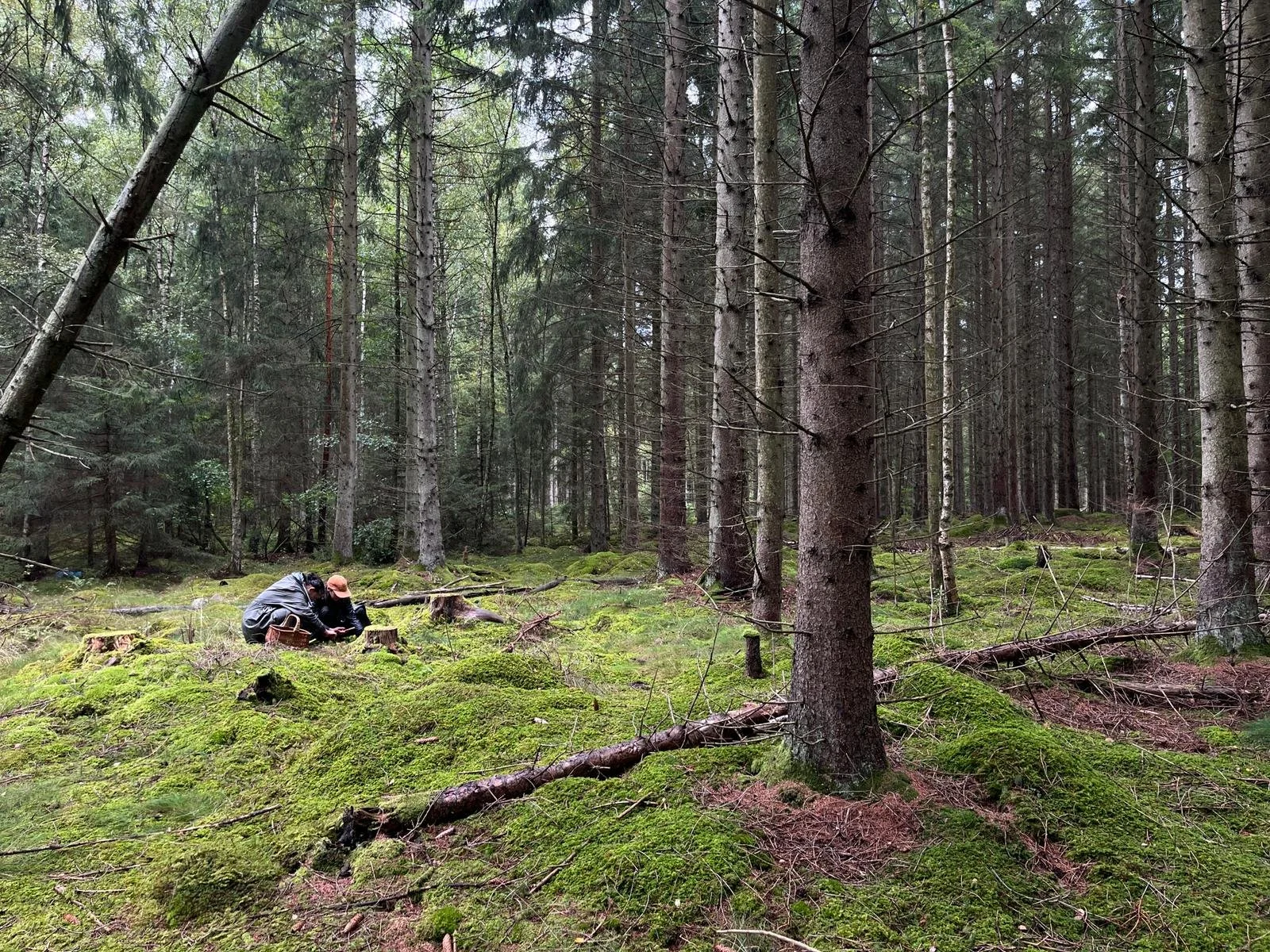
Wondering
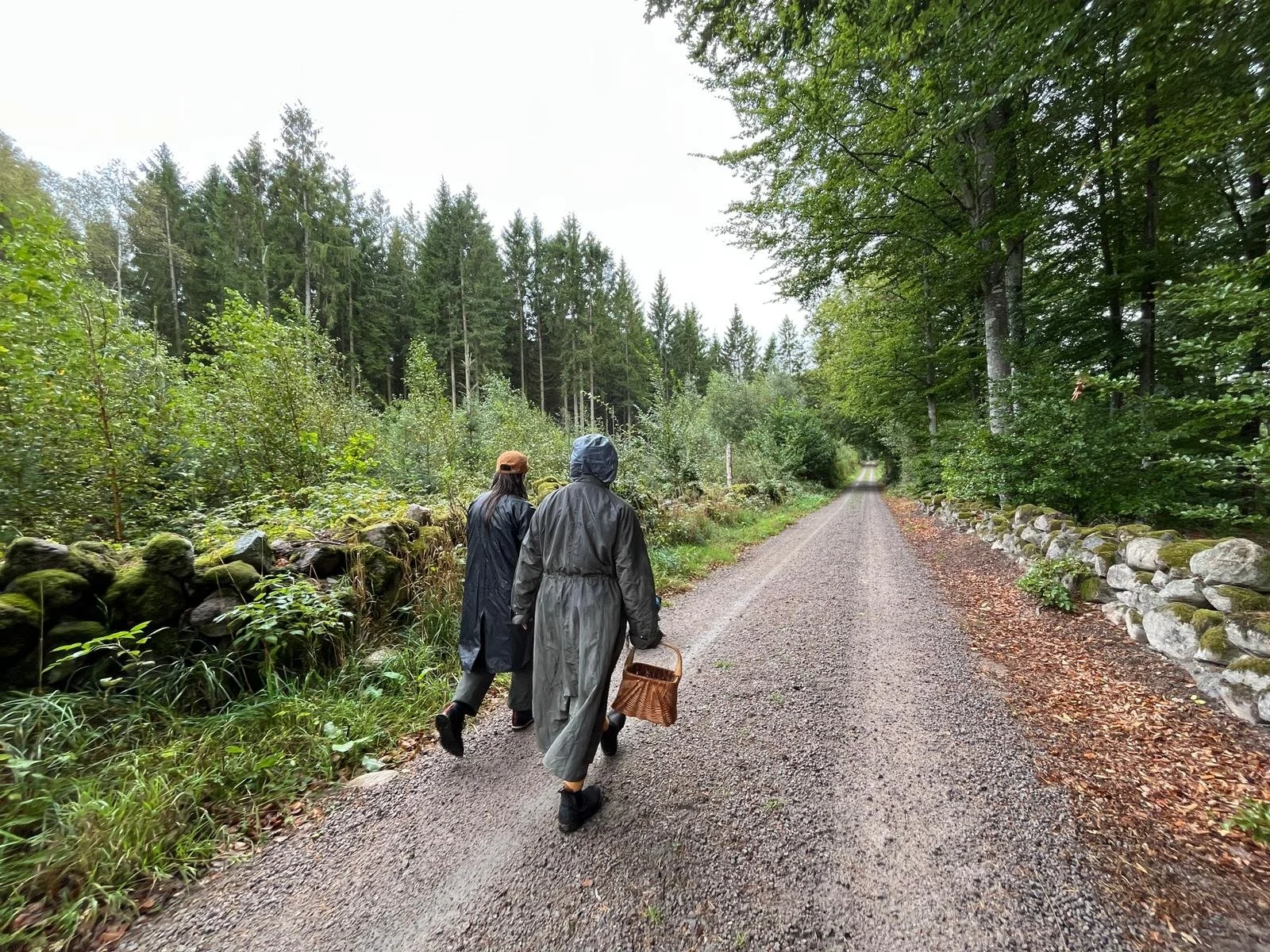
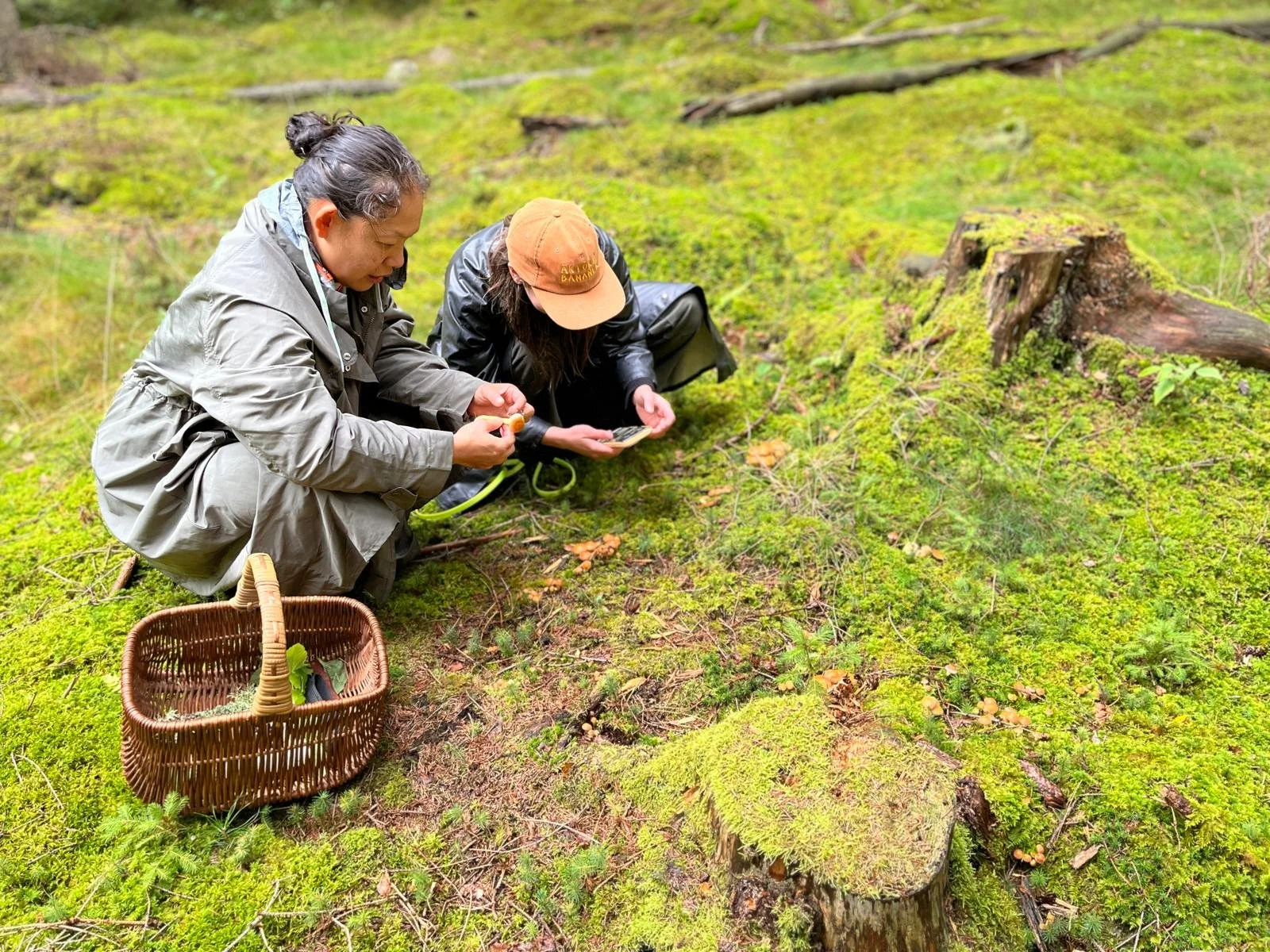
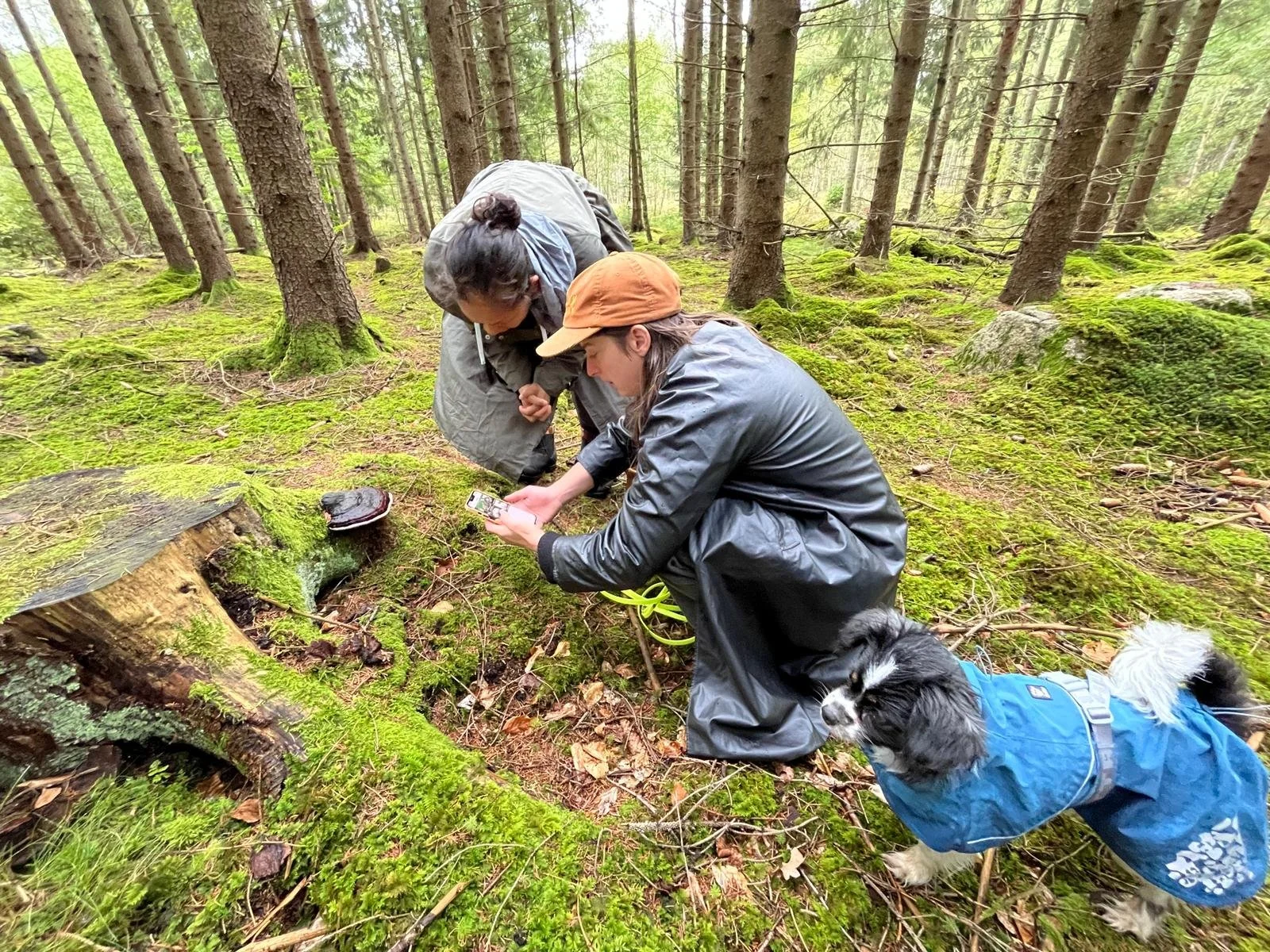
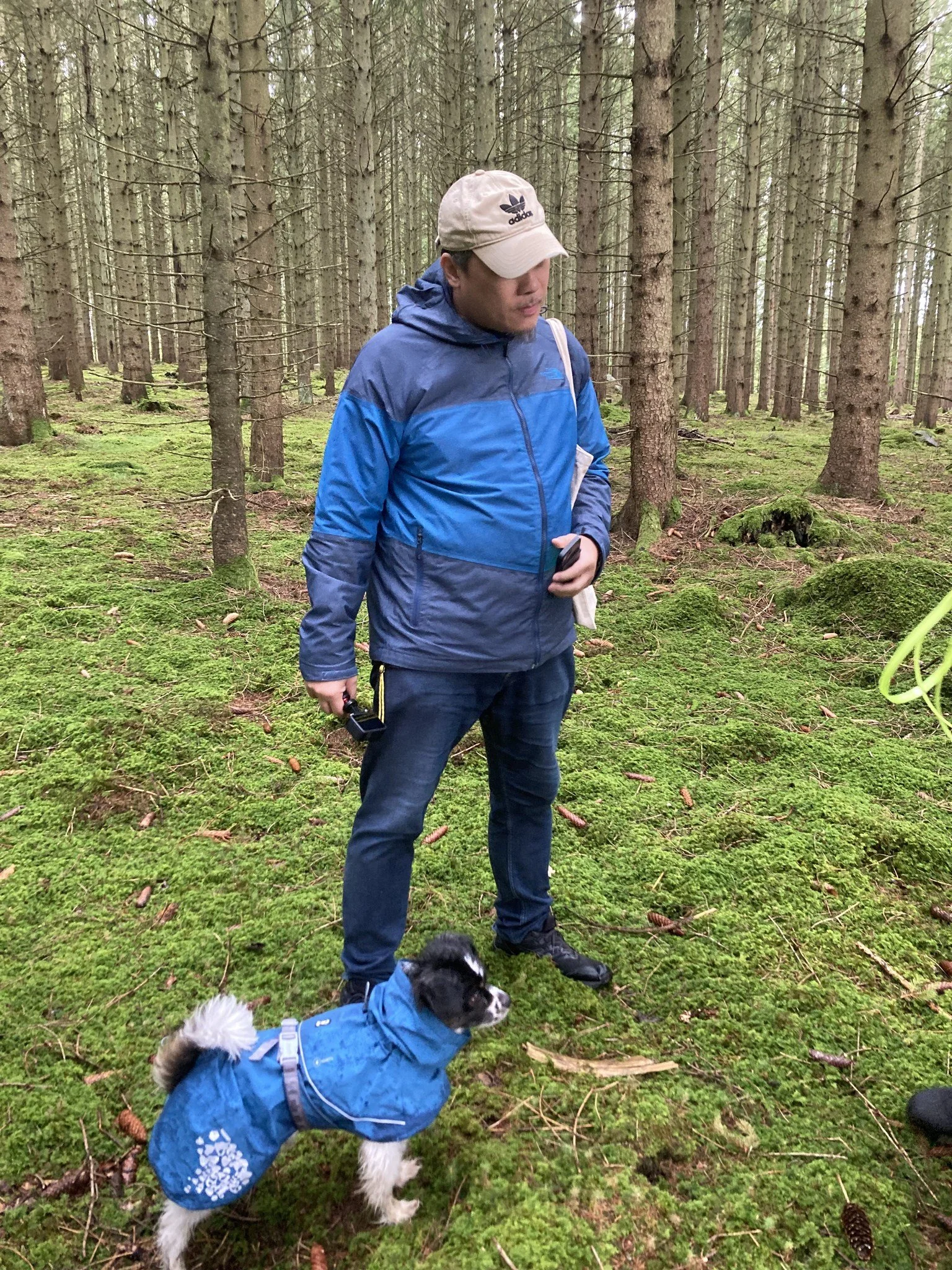
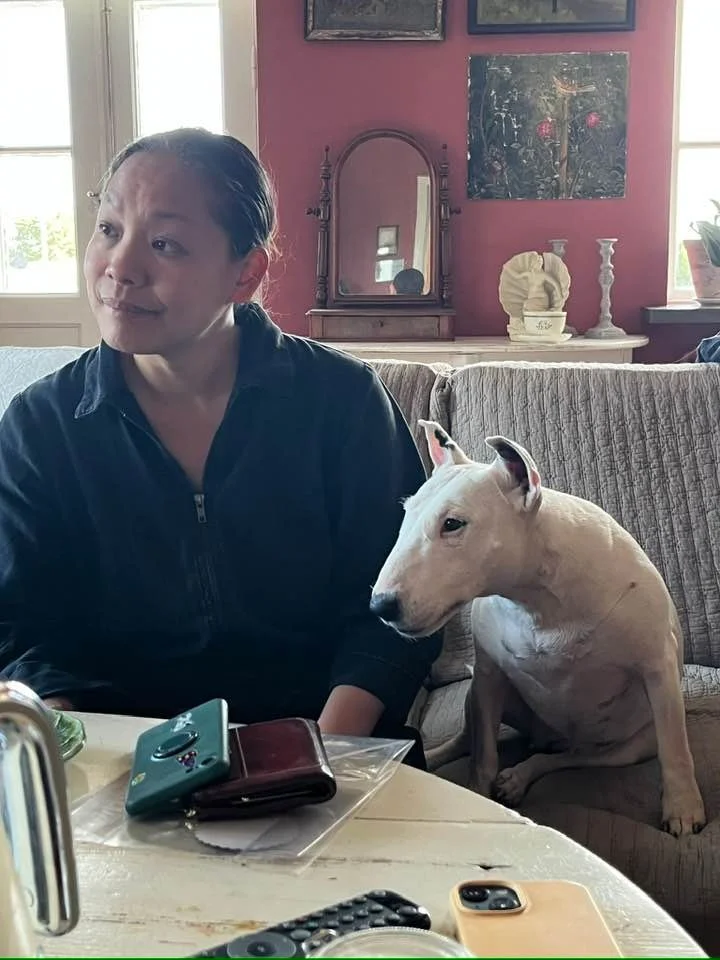
Kajsa guided us on a forest walk with her dog. She had two places she wanted to share: the pond where the crayfish grow, and her secret patch of mushrooms. When we reached the pond, its water was low and receding, even on this rainy day. She told me that most of the crayfish in the crayfish party we crashed in on the first night were mostly imported from China nowadays. In the woods, we found mostly poisonous mushrooms. We passed a hunting trap along the way. Along the way, I was mostly interested in the plants that were invasive and considered weeds. We spoke of disappearance, memory, ecology, and relation with the Others. Even though we didn't have much "Found" ingredients but we were nourished by the forest for the body in another form.
-
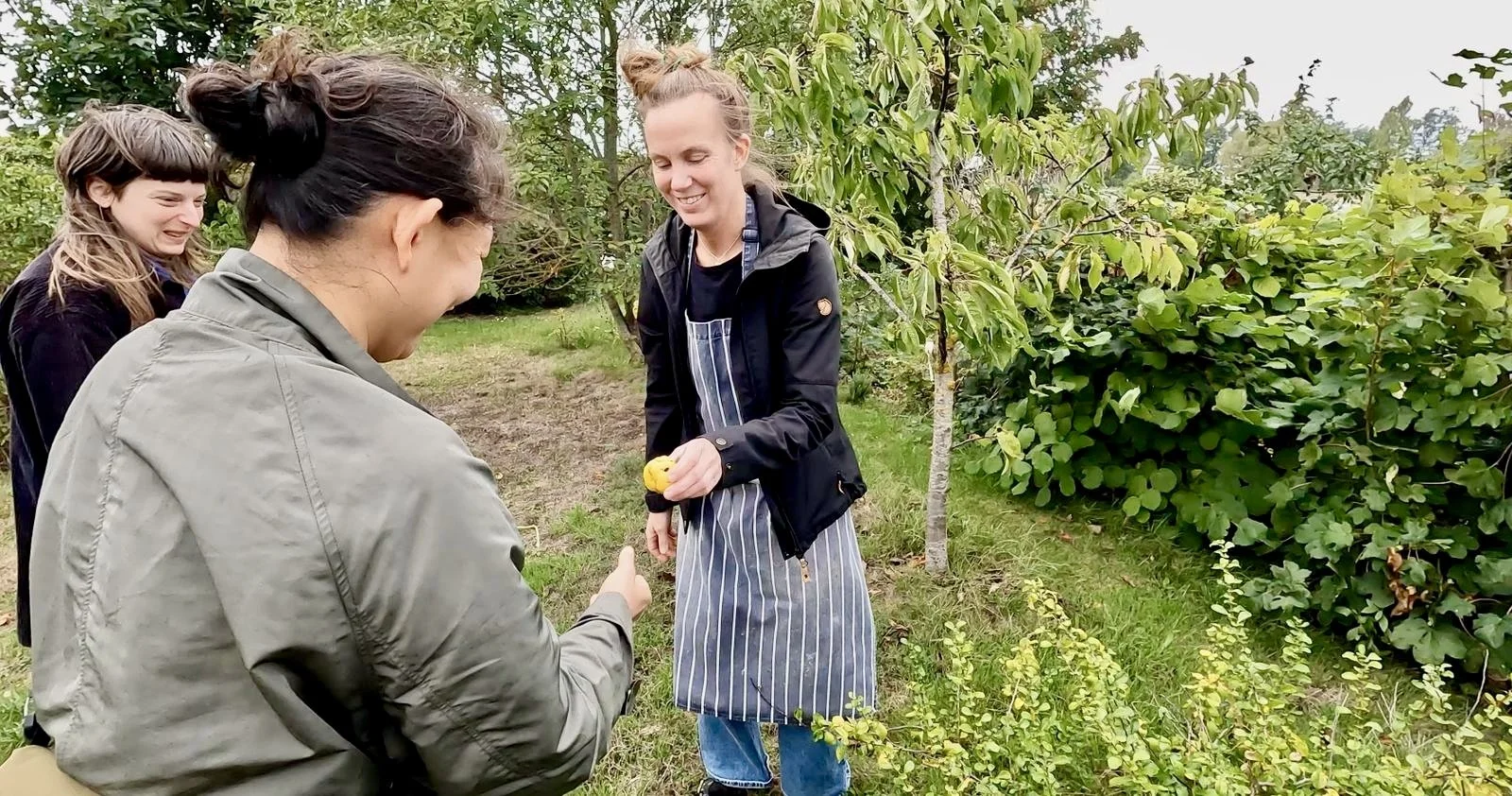
With Annette
Today we visited Skafferiet Nyehusen, a self-service café by the sea
No staff, no cashier—just trust: you leave cash in a wooden box or pay electronically.
We met Annette, the owner and chef, in her pink and cosy kitchen. Four years ago, she returned here with her family, opened this shop, and now makes beckgoods, chocolate bonbons, vegan bakes—mostly using what the land offers. For her, cooking is a way of building relationships, community and dialogue.
Her words stayed with me: “This setup doesn’t make me a billionaire rich, but it makes me rich here.” (She rubbed her stomach, smiling.) I agree —a rich microbial garden, inside and out. She invited us to take a walk in her garden, shared her knowledge and gave us some ingredients. Such a generosity. Thank you.
-
Åhaus
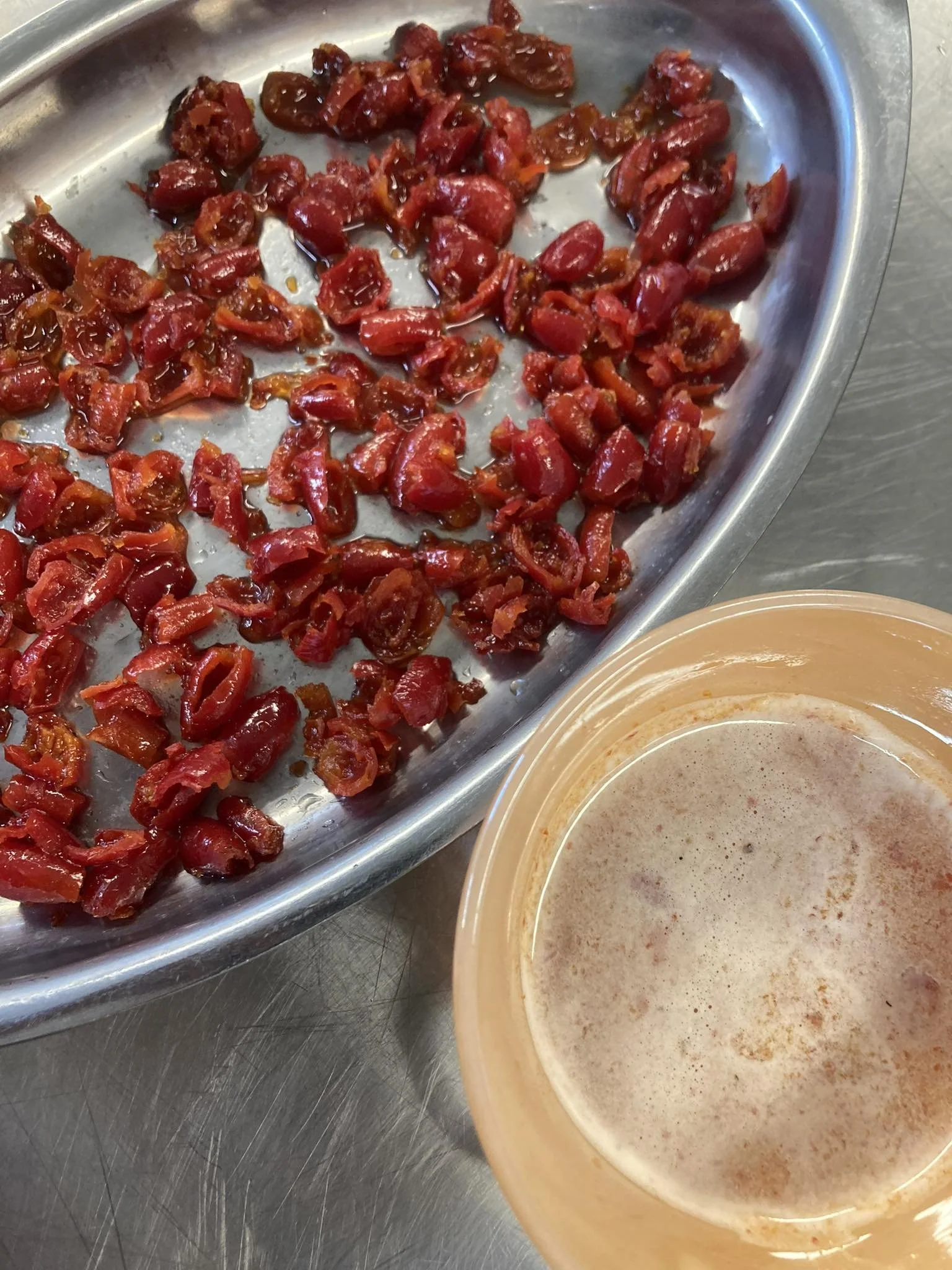
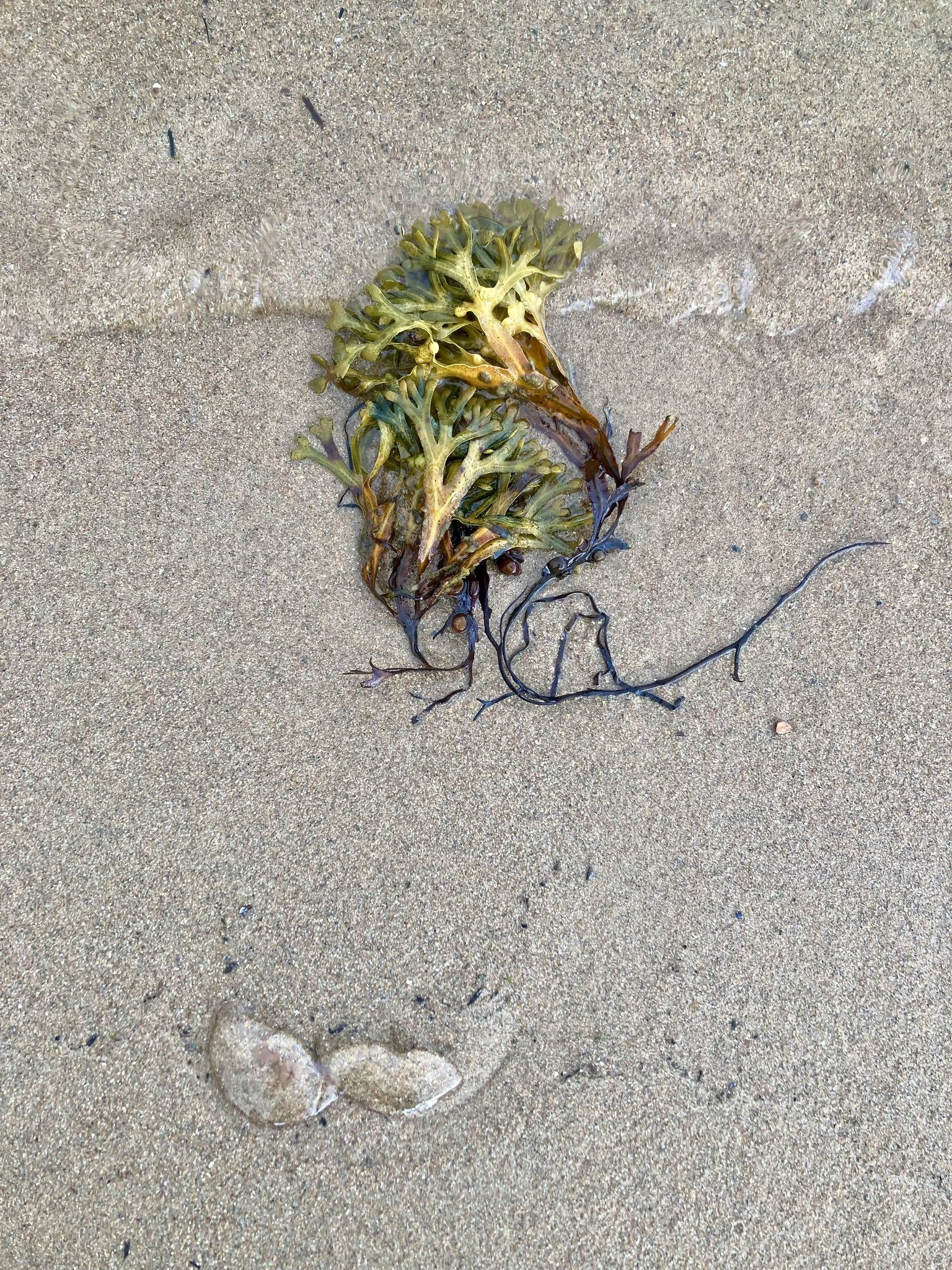
We stop by Åhaus, a town where the world's absolute volka are made on this land. We want to come to the seaside, we found the Rosehips/ 玫瑰果 / Nypon. It is commonly used for drinks and as a colour dye here. Kajsa picked up a jellyfish in her hand, and I told her that we eat them. She was puzzled. Later, she picked up some seaweeds and said we could eat them. I told her that I'm not sure when is near the factory is and Maurice said that it could have a taste of volka… we laughed. My mind lingered with Annette's answer on how to cope with the disappearance of ingredients or in a crisis, like in cocoa, she said, " Besides, coffee and chocolate have always been too cheap...” I couldn’t help but think of Andy Warhol’s Coke—and the extreme of that effect under ultracapitalism. Inflated, synesthetic and invisible cycle of exploitation...
-
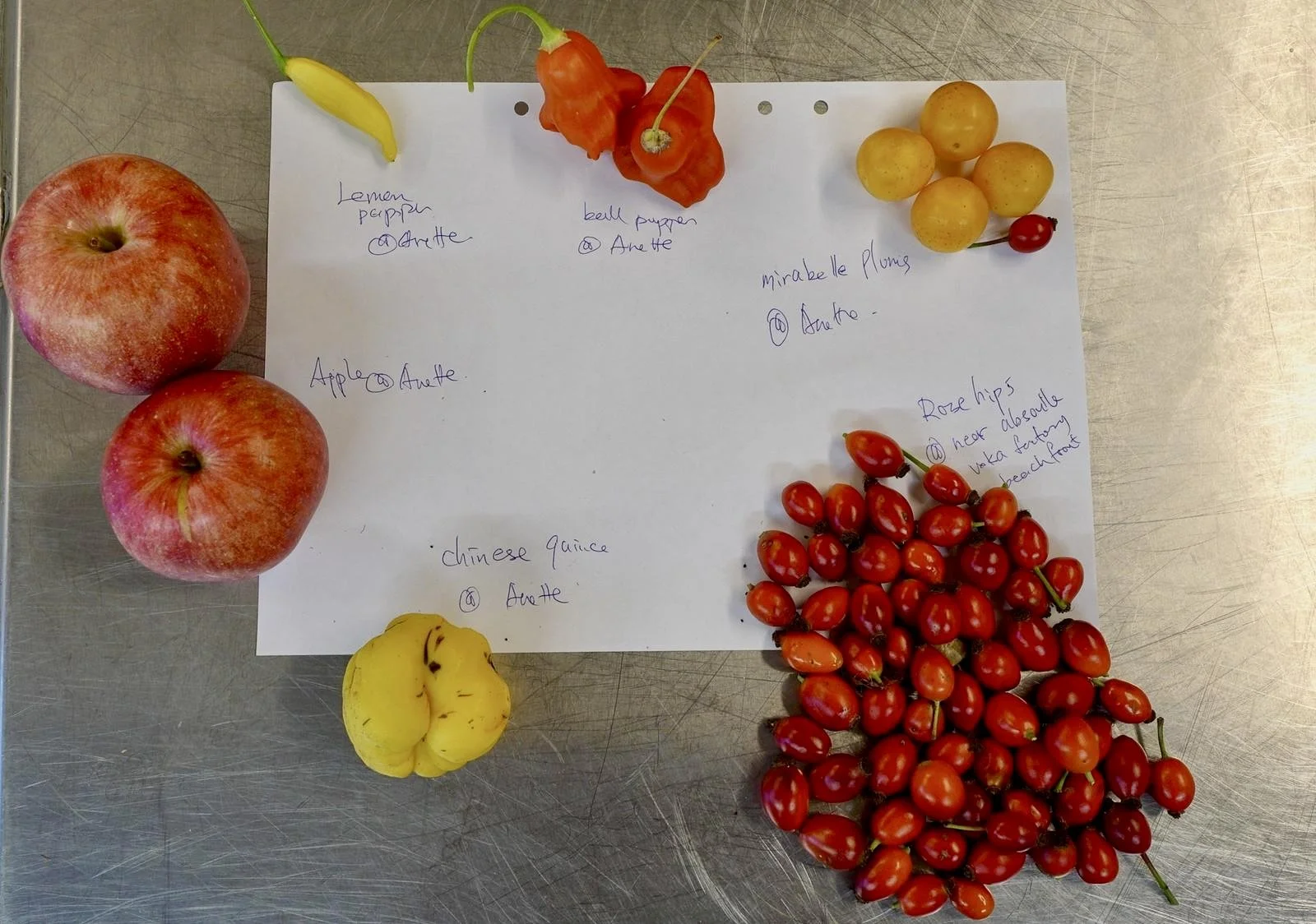
found it
玫瑰果 / Nypon/Rosehips; 蘋果/ Äpple/ Apple; lemon papper; 甜椒/彩椒/ Paprika/ bell papper;榅桲/ quince/ Kvitten; 蜜李/ Plommon/Mairbelle plum
-
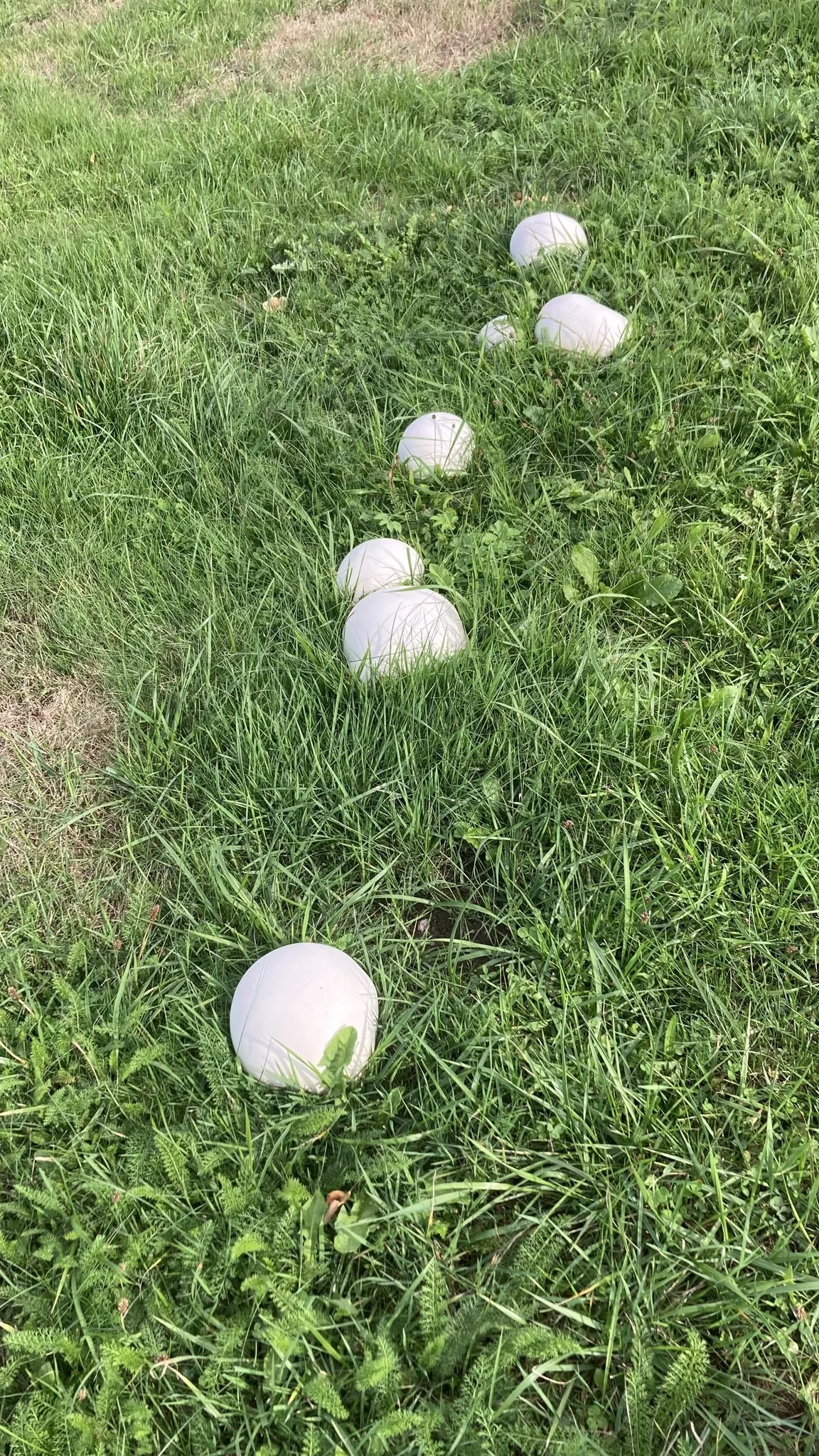
At Wanås Skulpturpark
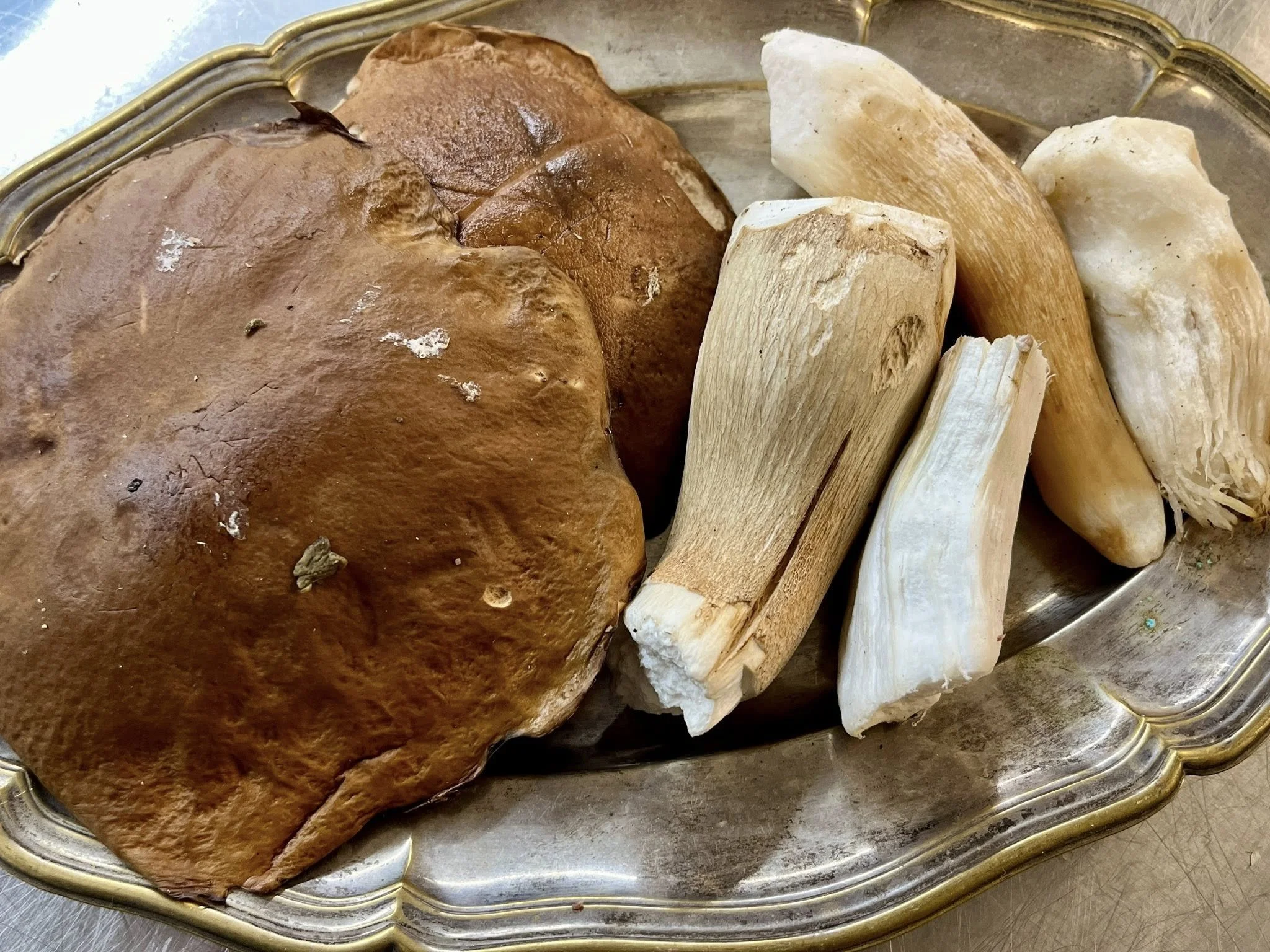
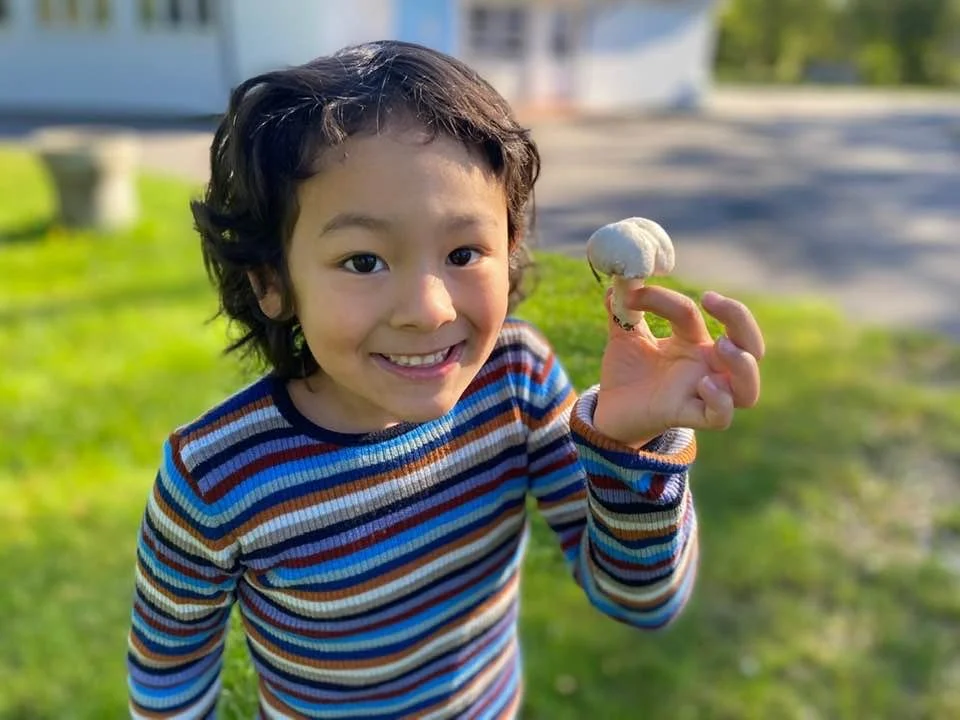
We visited wanås konst skulpturpark. Great to be back again. Malin is so kind to show us the huge Puffball Mushroom and some edible invasive plants.
-
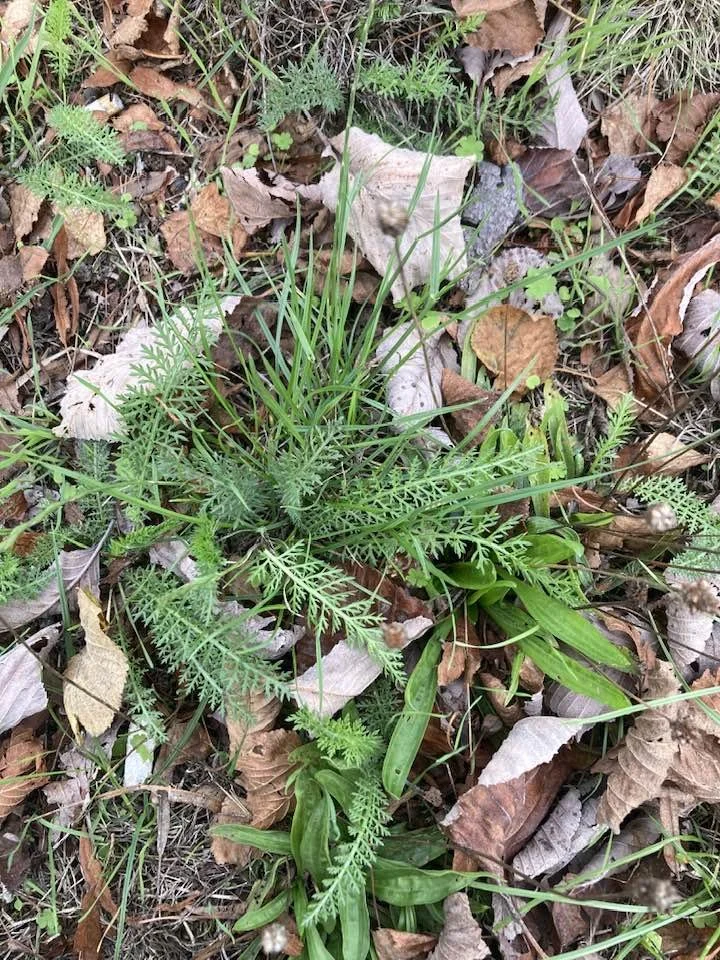
Found it
Rölleka/ Achillea millefolium / 黃蓍
Found: roadside next to the lake
-
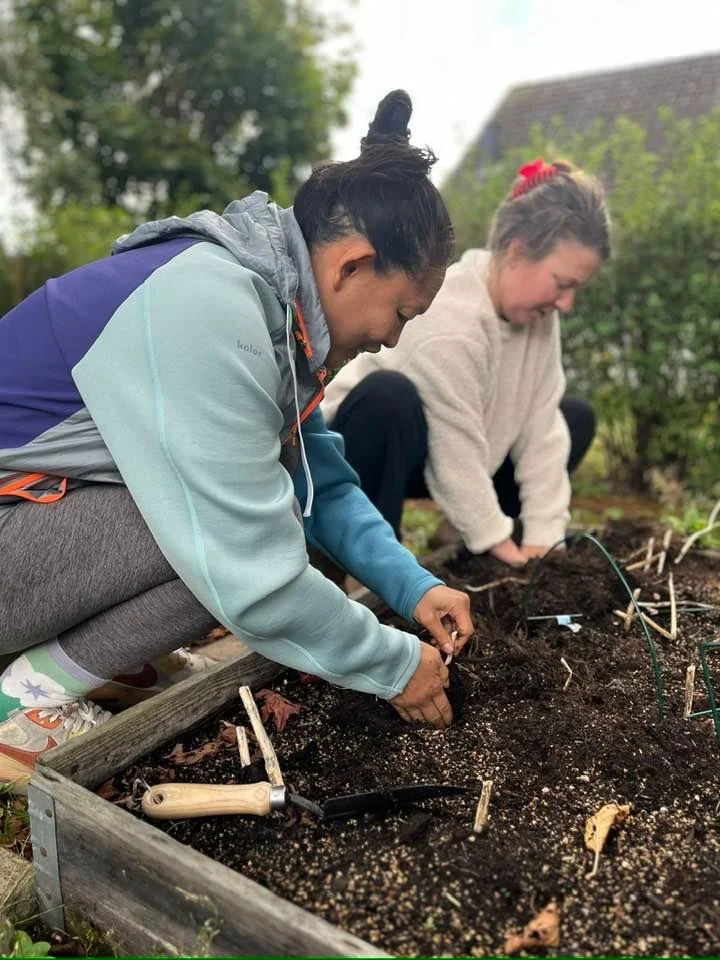
With Rachel
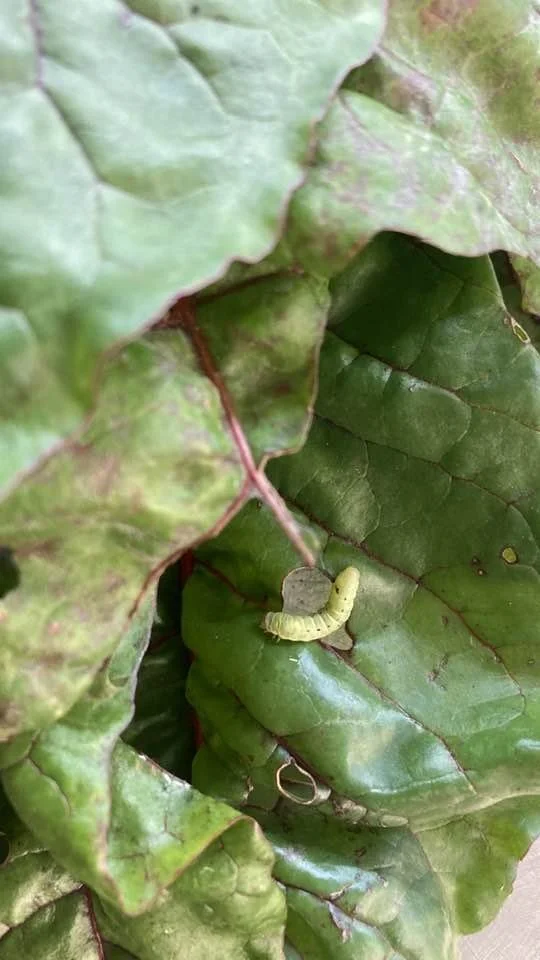
Laura potatoes,Mangold,Onions,Green Grapes, Unripe Tomatoes
Found@ Rachel Garden
-
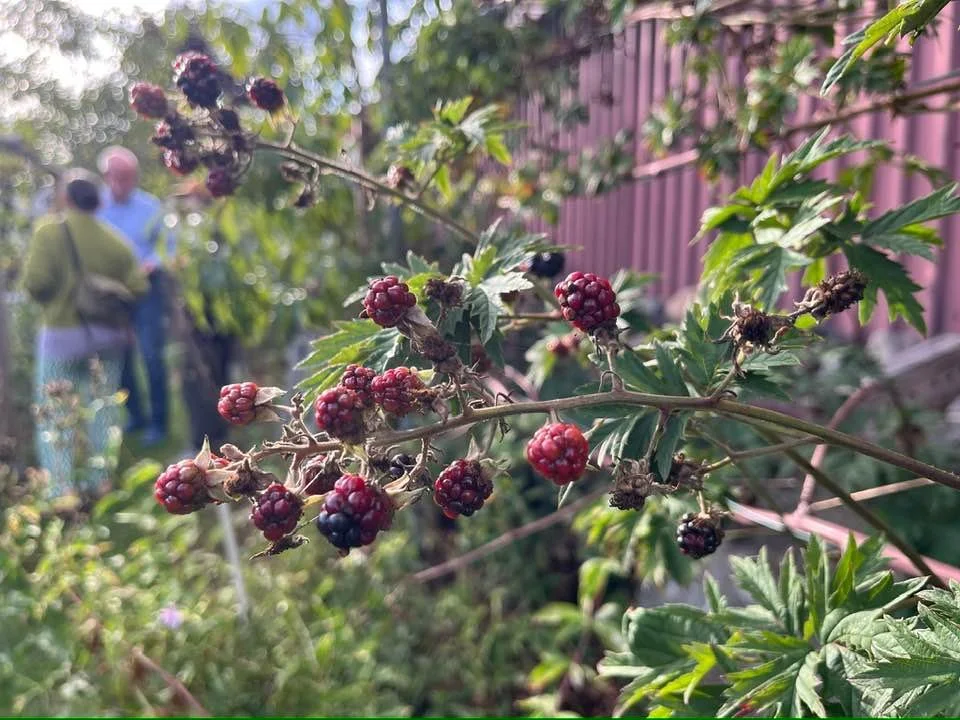
With Lars
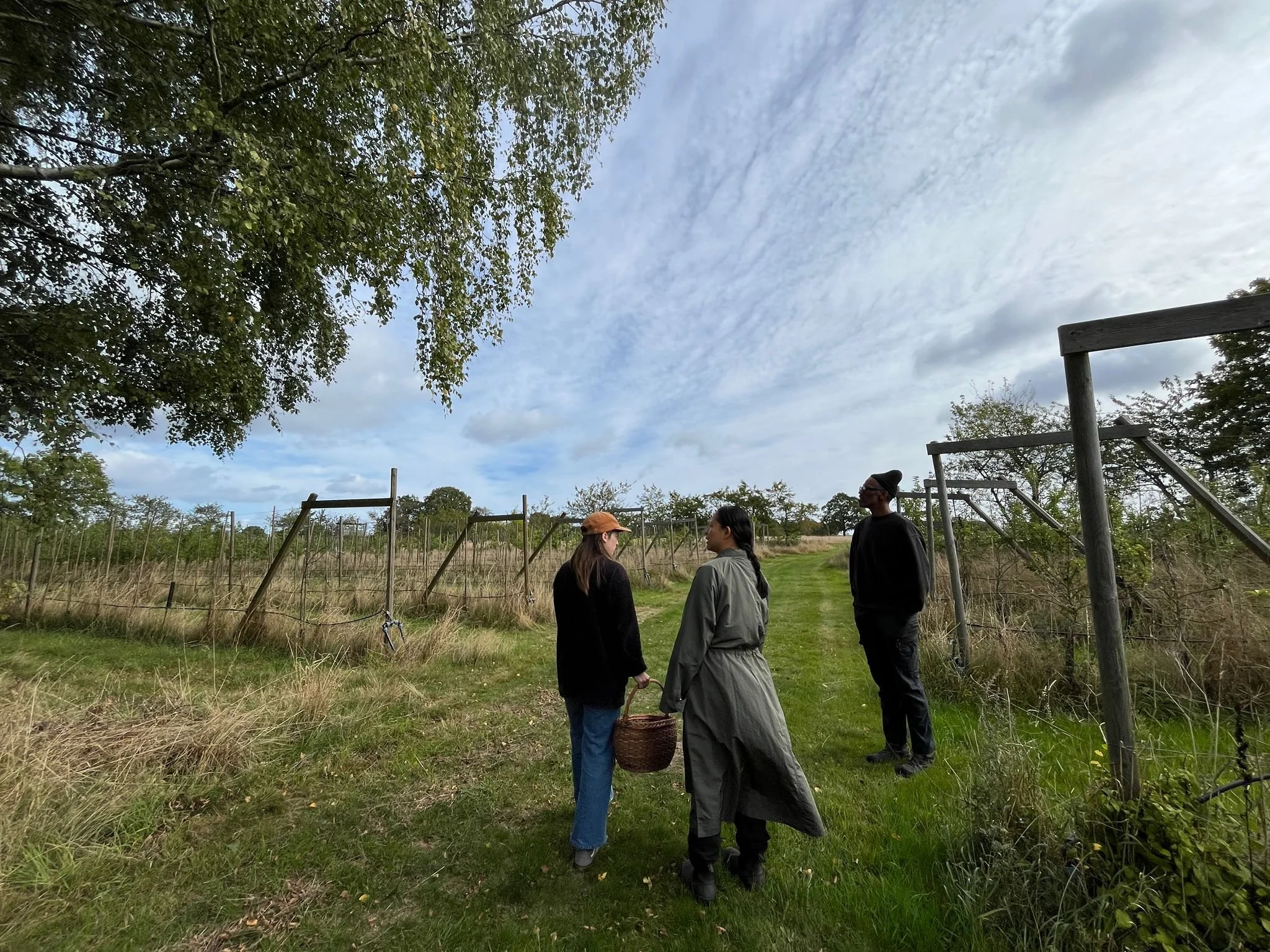
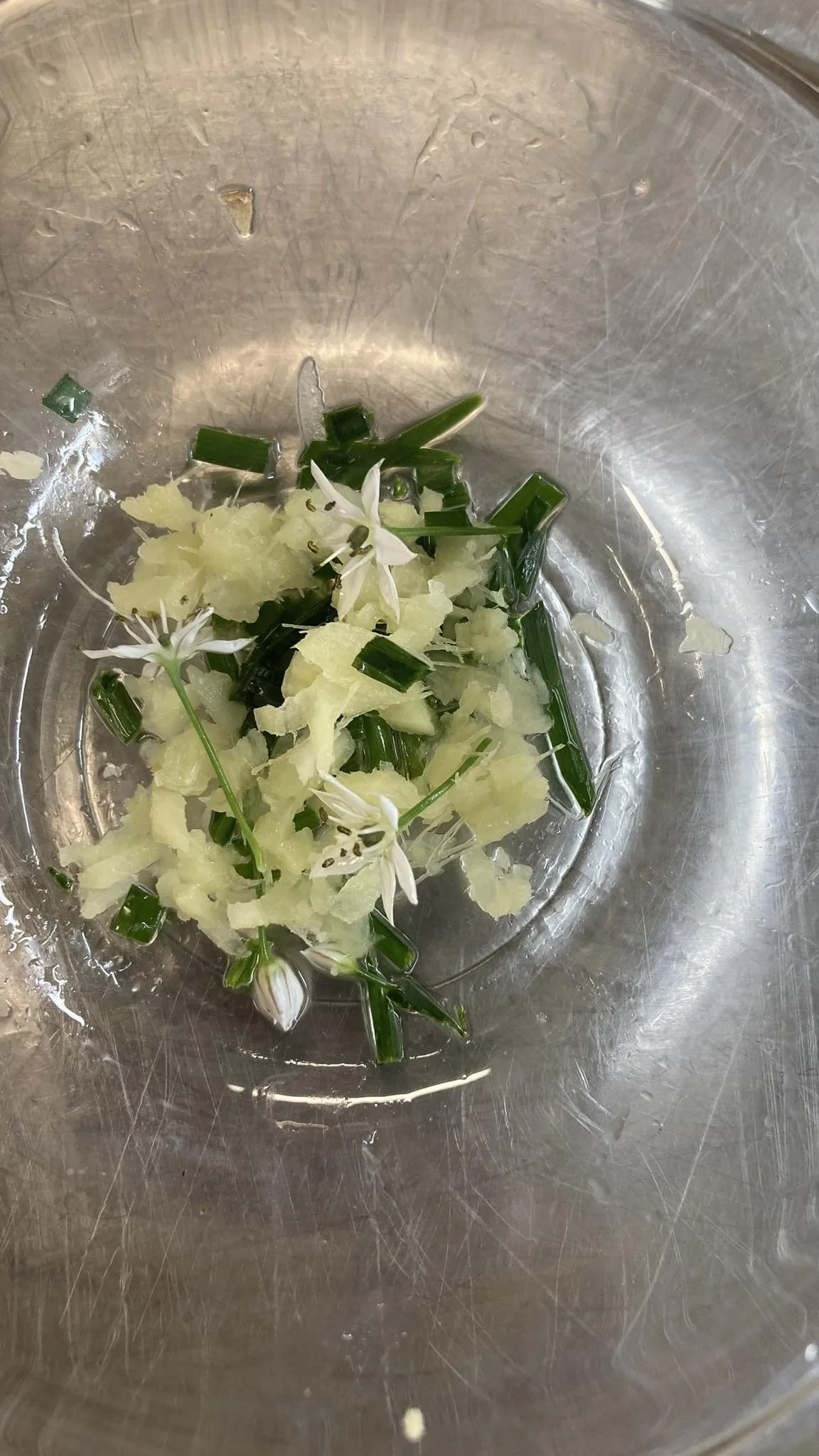
We went to Lars garden, just 10 mins walk from where we stay. Lars retired and help out at the Folkest park and MARC. We met in the kitchen and once he heard that we want to cook only “Found” ingredients. He invited us to come ti his garden to found. Spring onions from his garden has a sweet note.
-
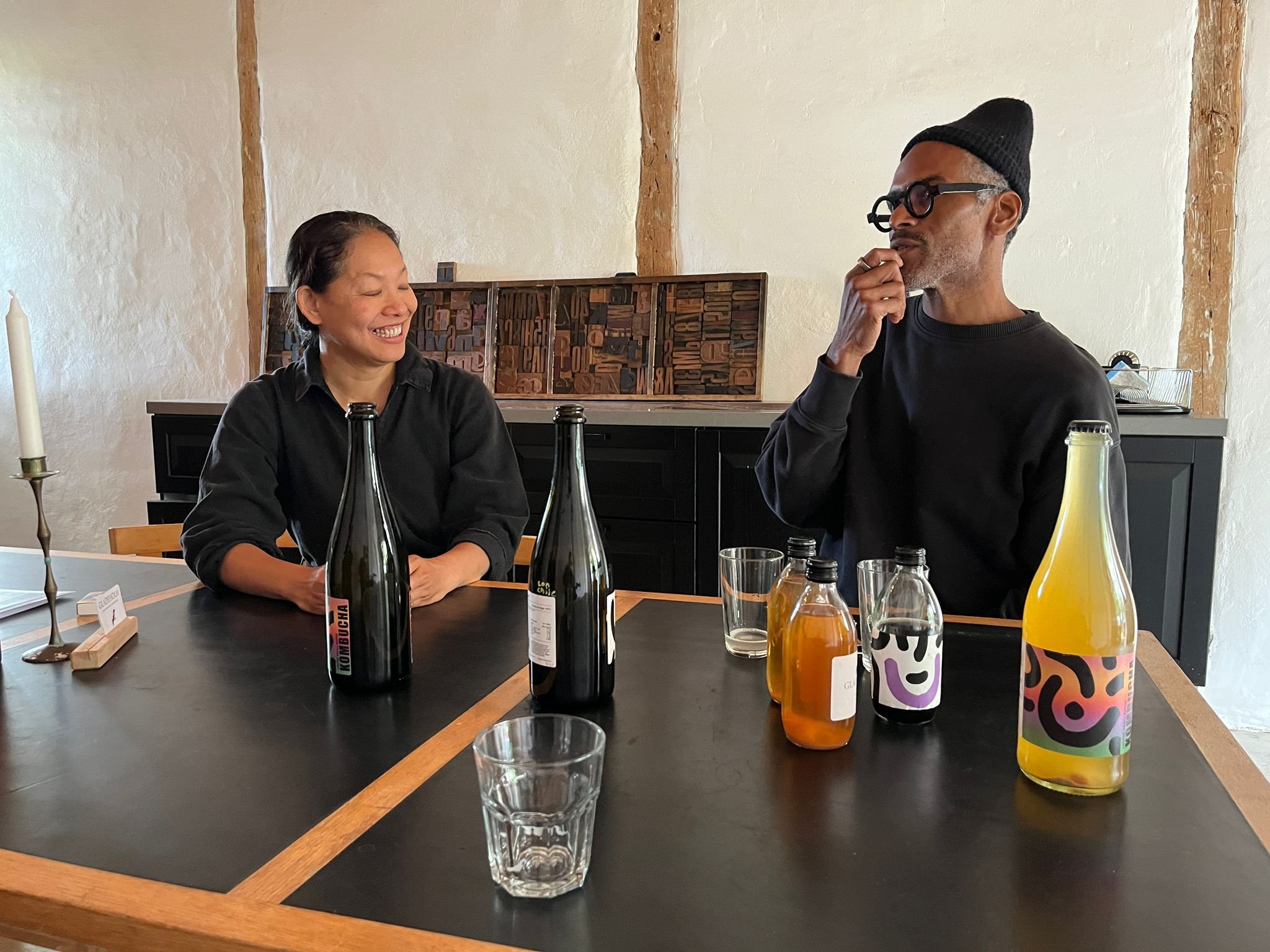
With Salomon
Today, we visited Salomon, the founder of ScobyBaby, an artist-led kombucha project. It is an ongoing experiment in collaboration with microbes, shaped by his migratory tongues and the curiosity of the question of how life comes about.
While we're tasting his creations, listening to the sounds and sensing the movements of microbes, I feel their presence both in the room and within my body. They all have their distinctive taste. I was drawn to the Jalapeño & Lime. When Salomon shared his creation process, I witnessed how he travels deep into his tastescape—a landscape shaped by encounters with different cultures and childhood memories.
I asked him whether there ever comes a time when the Scoby (often refers to the mother, but actually is a symbiotic colony of bacteria and yeast that is used to brew kombucha) dies or rots? He smiled and said, “Nothing ever truly rots or dies. It simply transforms into something no longer for humans, but it can be for plants, for soil, and for microbes once again.”
That thought gave me hope and lightness.
-
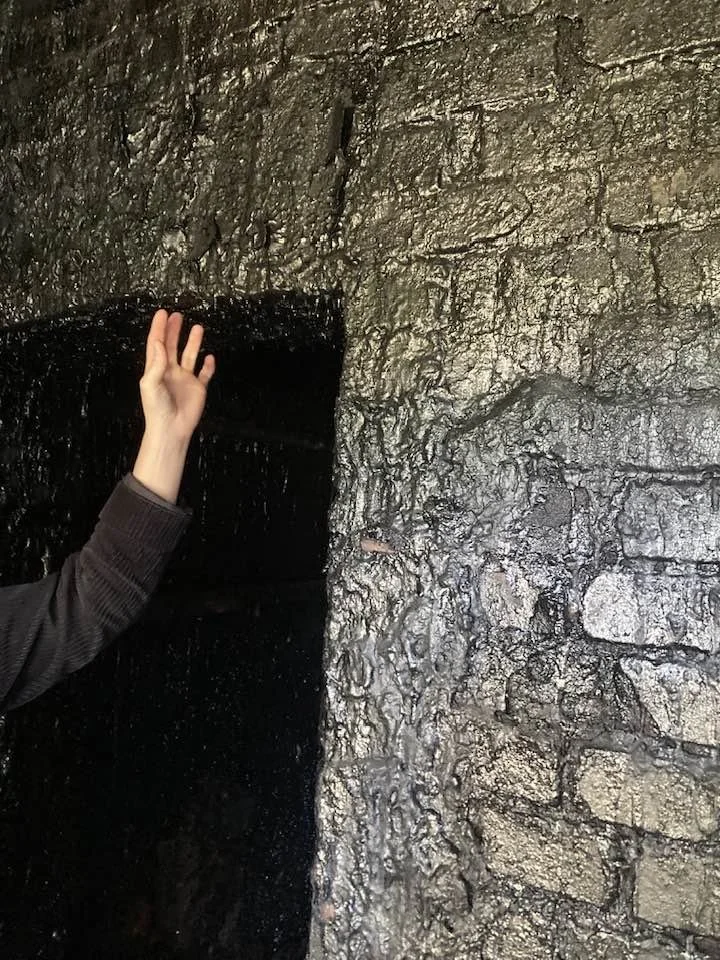
With the Rolfsson(s)
I mentioned to Kajsa in car that I am reading Frostbite by Nicola Twilley and have long been fascinated by Ice harvest. She told me that actually, her parents’ house has one. So, we’re welcomed by her Mother, who was also a French antique store owner, with a tastefully curated collection that was collected over the years.
When I stepped into the formal ice house p, I still felt the freeze, like most of the cellar or cave à vin that I've visited. The ice was harvested near the Lake. The surface is at least 1m deep below us, covered by wood dust. When you walk on it, it reminds me of the sensation of walking on the moss-covered forest, curves and uneven surfaces. And a smoke room too, 冰與火. What a treat for my day. The black soot painted the whole room. The smell of it is still so present, and it envelops you. We had a fika together with Pi.
-
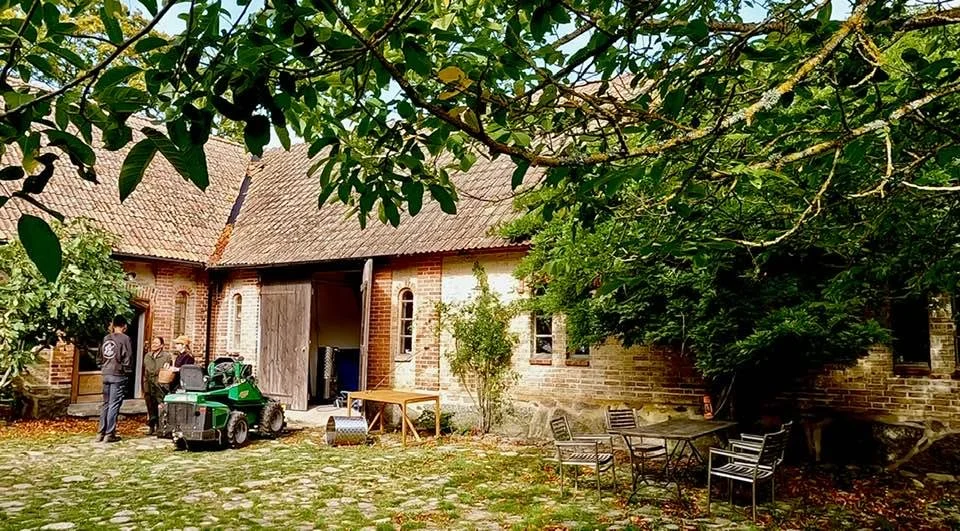
At Johan
We met Johan briefly at the entrance of his studio/production house/garden. He runs an artist-in-residence program on the site and produces his own organic apple juice from the orchard’s harvest.
-
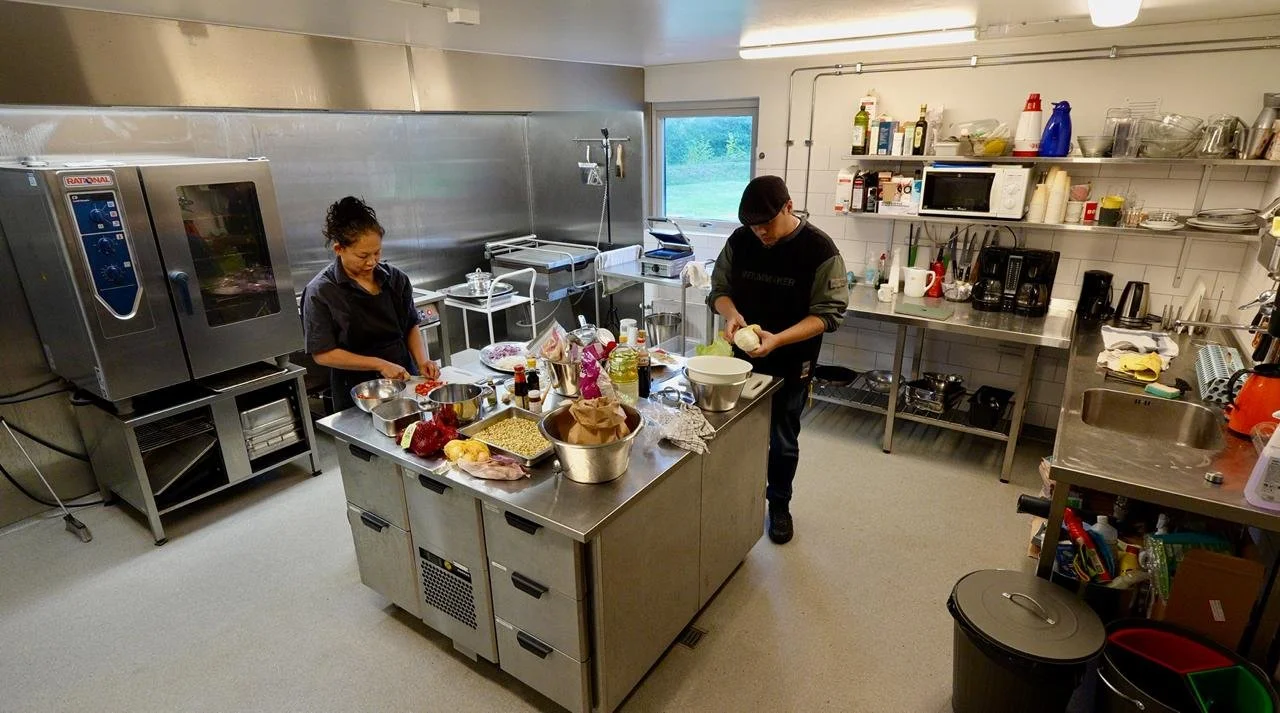
Daily kitchen experiment
-
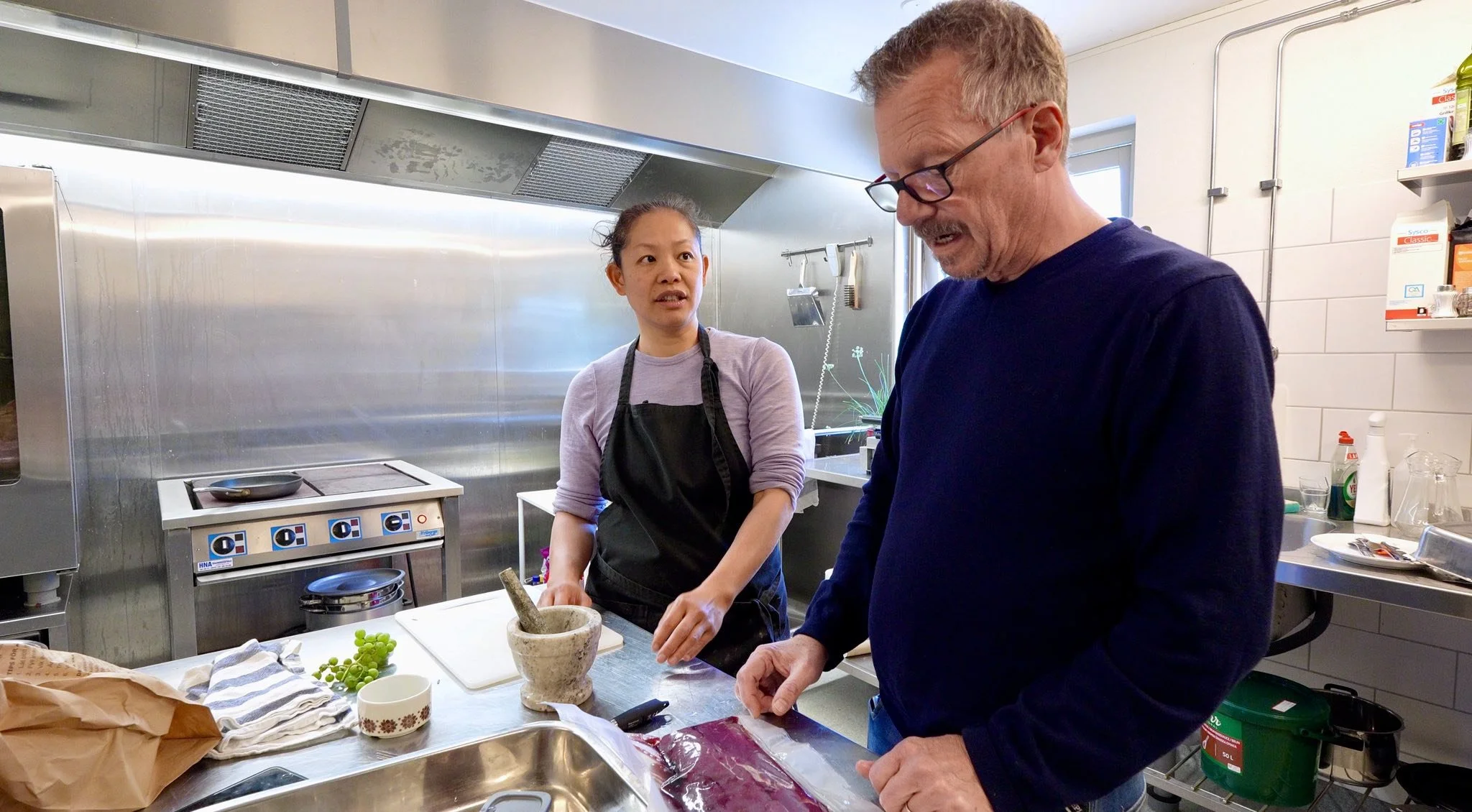
With Patrick
It was never my intention to meet a hunter.
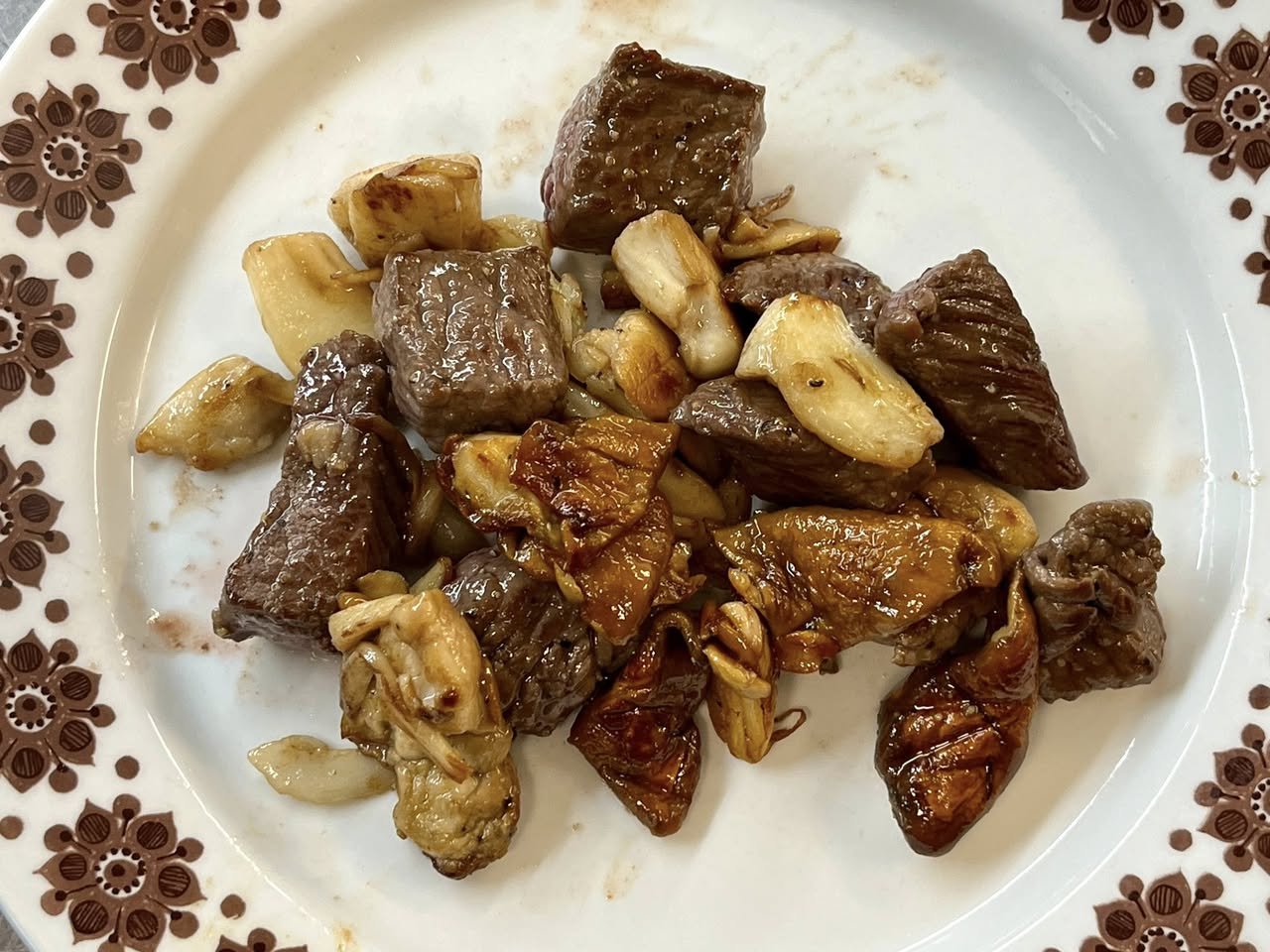
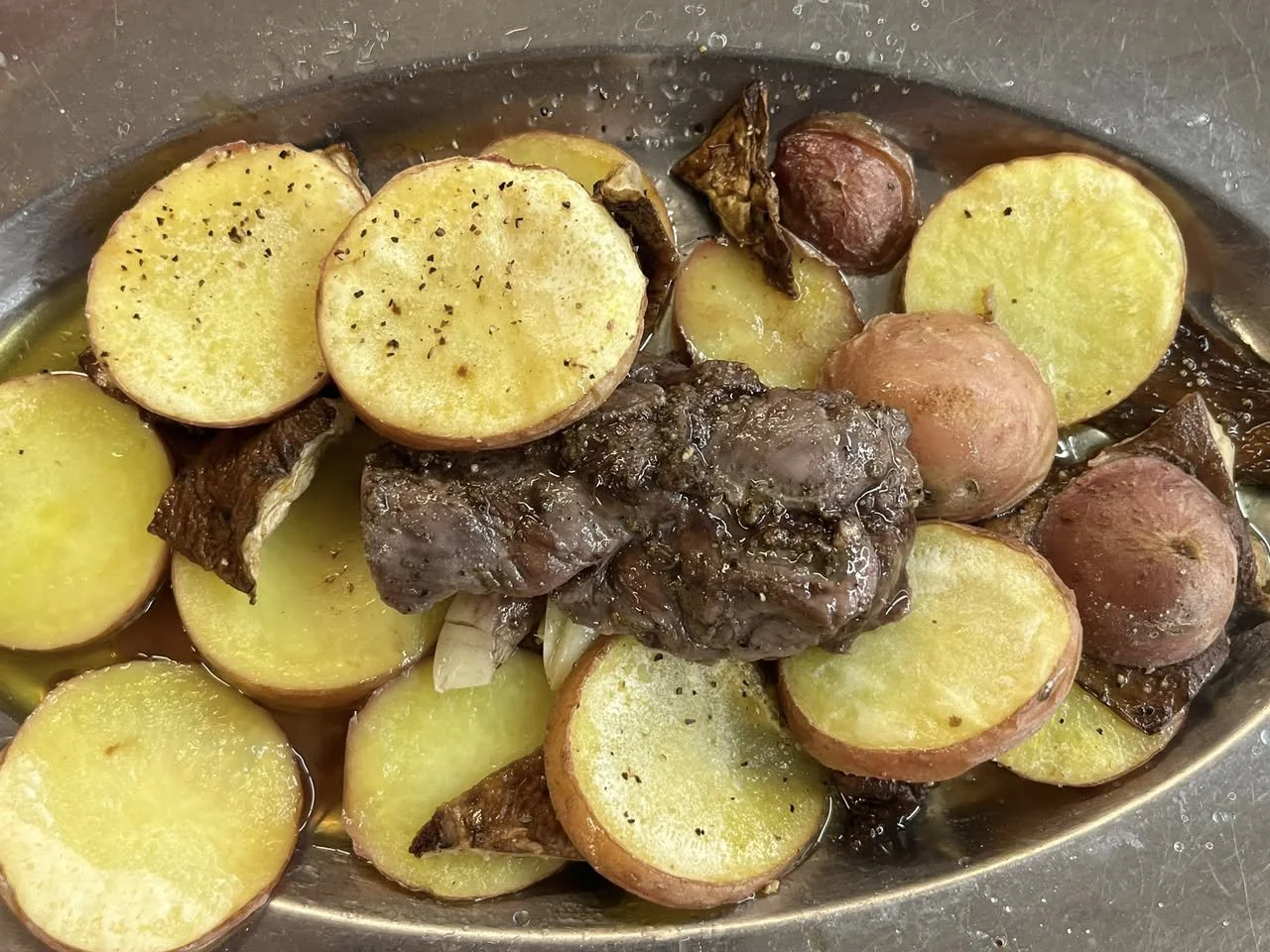
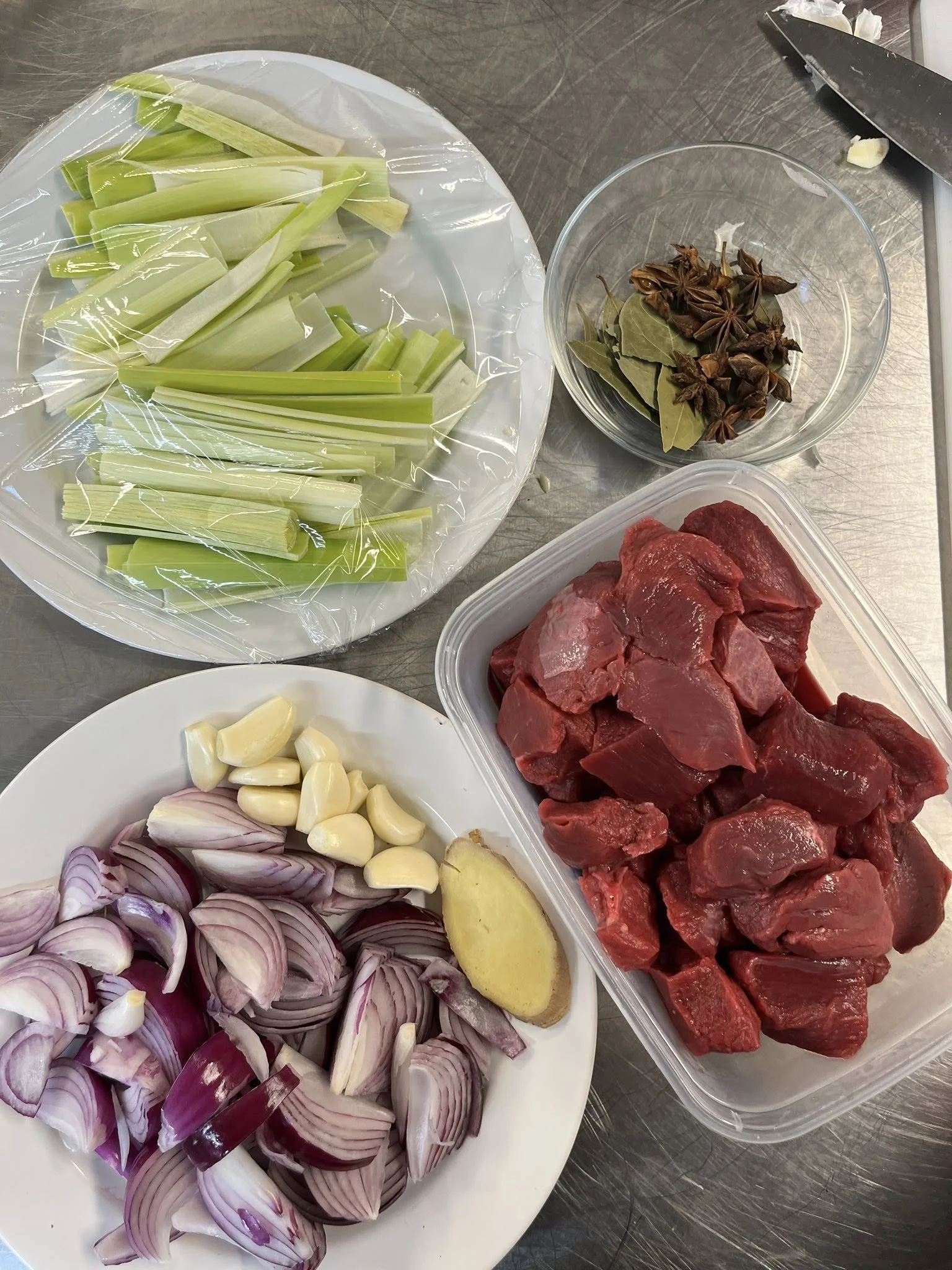
Patrick first appeared in the kitchen together with Lars. They came to fixing something at this folklore center as the chairman of the association. After i’ve introduce why we’re there and we start to talk. Later, I learned he hunts, dresses, and cooks the hunted; I’m draw to this full cycle of life and death, carried out with care and precision. He donate some meats to us and left it in the freezer. Since, Maurice and I had never cooked deer meat and my desire to talk with him, we invited him to share with us his receipt. At the kitchen, he showed me a photo of a deer eating grass in the sunlight — soft, almost Disney-like — then pointed to the bag of meat he’d donated to us and said, “It’s him. He died when he was happy.” Only later did I learn that Patrick, too, lives with an illness that could take him away at any moment. “I wish I will be like him,” he said.I asked how it feels in his body when he dresses the animal. His hands traced the air gently: “Each one is different. You don’t close your eyes and just cut four strokes — no. You must respect the life.”
While reading Gina Rae La Cerva’s Fasting and Feasting the Wild — partly set in the forests of Sweden, where hunting becomes a meditation on hunger, intimacy, and survival — I found Patrick’s presence echoing through the pages. His gesture reminded me that eating is never neutral; it’s a conversation between life and death, care and necessity, carried quietly through the hands.
-
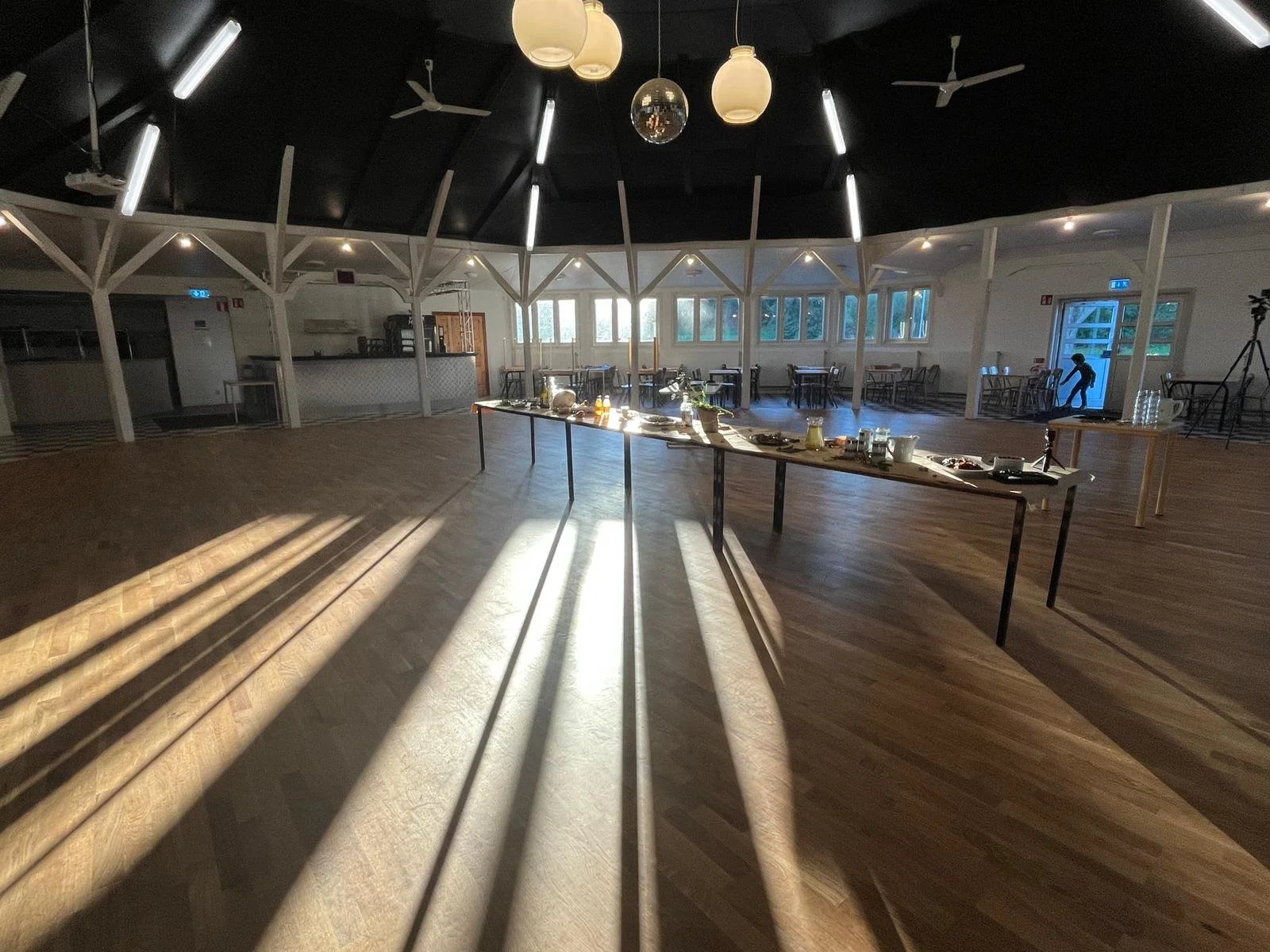
The Offering
Last night, it was our way of making an offering back.
Thank you to Rachel for inviting me to the MARC residency at a time when I just felt like lying low. It has been a gift. And we can't do it without Kajsa for guiding us through the forest, passing on all her knowledge and travelling and connecting us so generously with people. Last but not least, I'm grateful to Maurice for coming along with his grace to this almost dangerous experiment.
During our residency at MARC, we work with “found” ingredients — not bought, but foraged, offered, or overlooked. From the forest to a stranger’s garden, the roadside of a housing block, the backyard of an office, or left behind in the kitchen fridge, each ingredient arrived through encounter and conversation. These plants and animals form an unofficial inheritance, carrying relations, memories, disappearances, and the cultural logics that decide what is edible, valuable, or ignored. Each travels from soil to body, from one place to another, from life to death and back again. Alongside these, we also carried migratory ingredients across borders. With Maurice, I cooked and experimented, tracing how they connect to our own Tastescape.
One of the guests said to me while she was eating the Tarmarid chocolate bonbon, “It is such an experience of an anarchic structure of taste.” I tasted her words afterwards, and I thought, right, a seed of taste had been planted between us.